since 1976

since 1976
By Lee Pang Seng
FOUR months after the Jetour T2 was launched, Jetour Malaysia has followed up with the Jetour T1. The T2 might seem more off-road ready with the spare wheel located on the rear fifth door, the T1 is more Crossover in design without that feature.
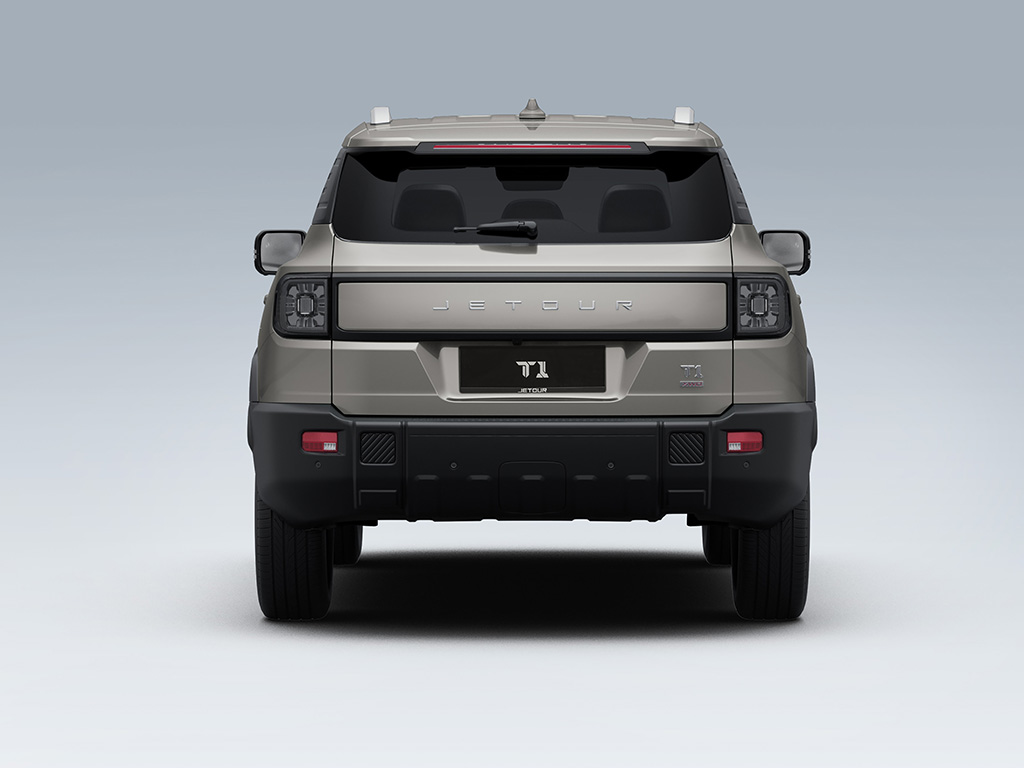
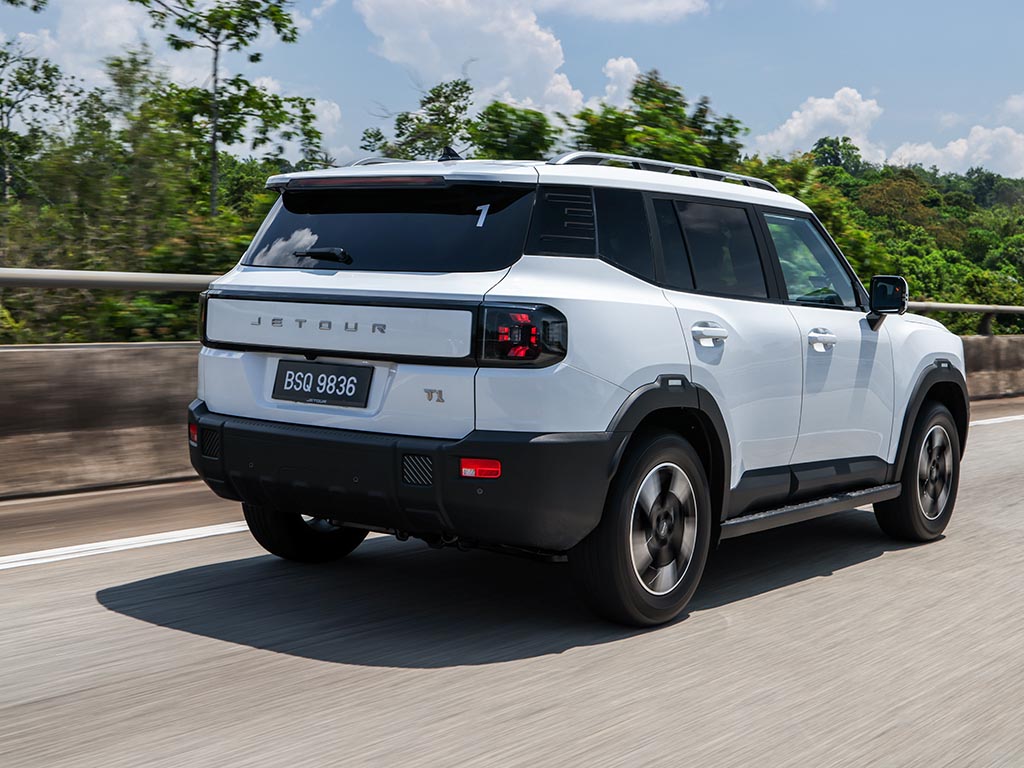
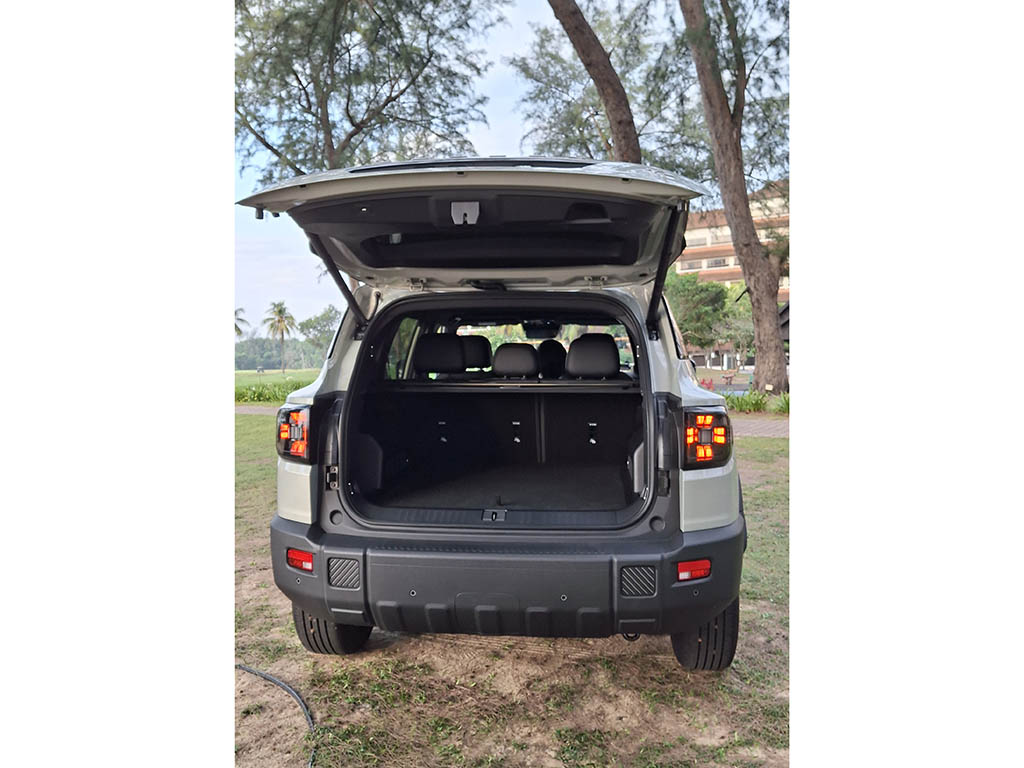
Instead of a side opening fifth door, it has the hatchback tailgate that opens upward, which is a styling adopted for most SUVs (sport utility vehicles). Instead of a full-size spare wheel, it has the space saver type located beneath the luggage floor.
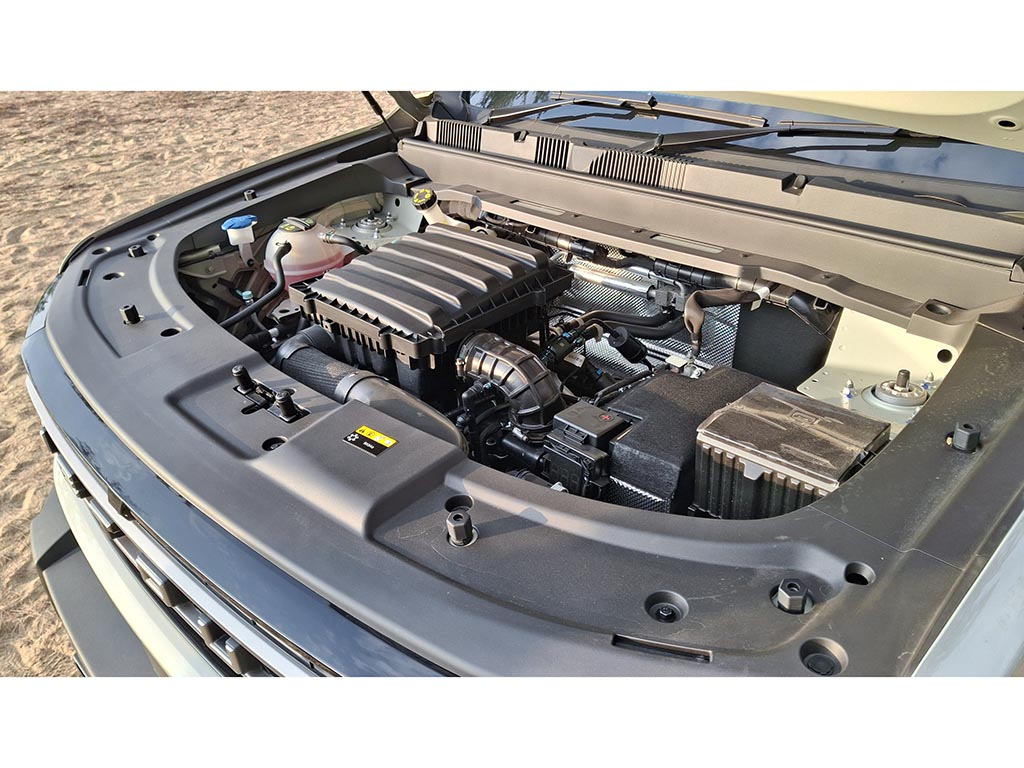
The Jetour T1 is made available with two variants; the 1.5-litre turbo variant with front wheel drive arrangement and the 2.0-litre turbo with XWD or all-wheel drive. The TGDi (Turbocharged Gasoline Direct injection) engines) deliver strong power for the respective variant; the 1.5-litre (1499cc) has 125kW (170ps) at 5500rpm and 270Nm from 2000 to 3500rpm.
The punchier 2.0-litre (1998cc) turbo turns out 180kW (245ps) at the same peak engine rev of 5500rpm and 375Nm of torque that comes in earlier at 1750rpm and holds till 4000rpm. Both variants come with a seven-speed Dual Clutch Transmission.
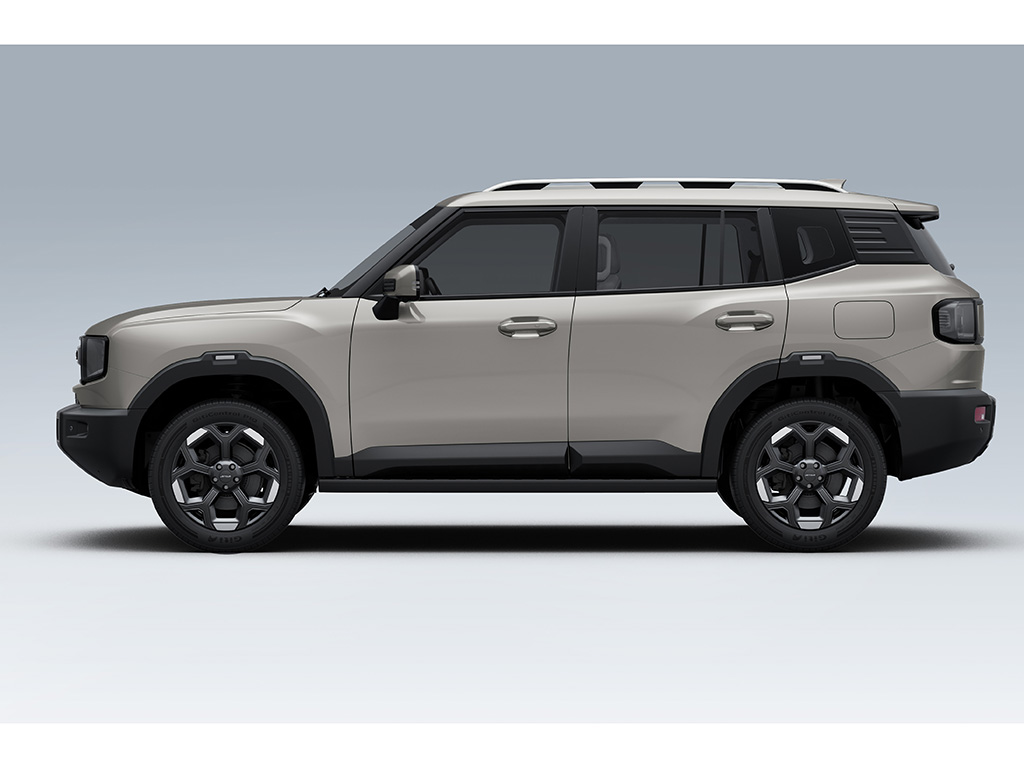
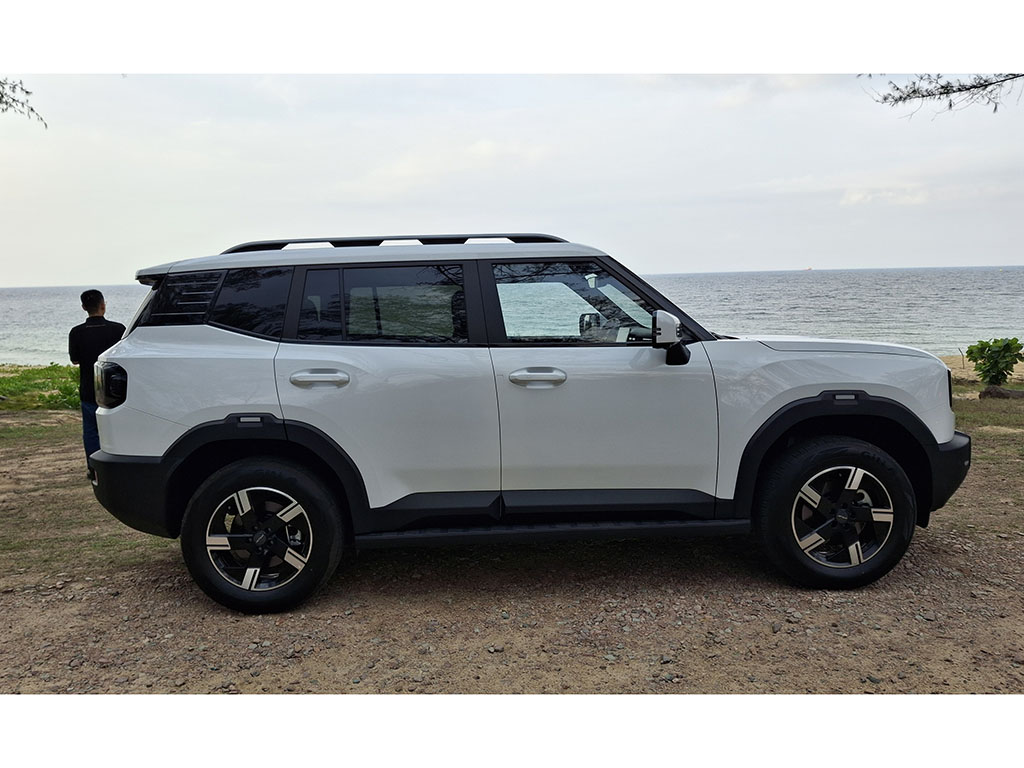
Its body dimensions slot easily the T1 in the C-segment SUV category especially its 2800mm wheelbase. At 4705mm in overall length, 1967mm in overall width and 1840mm in overall height, its dimensional outlook won’t be lost on potential buyers when they look at how spacious the interior is for its category.
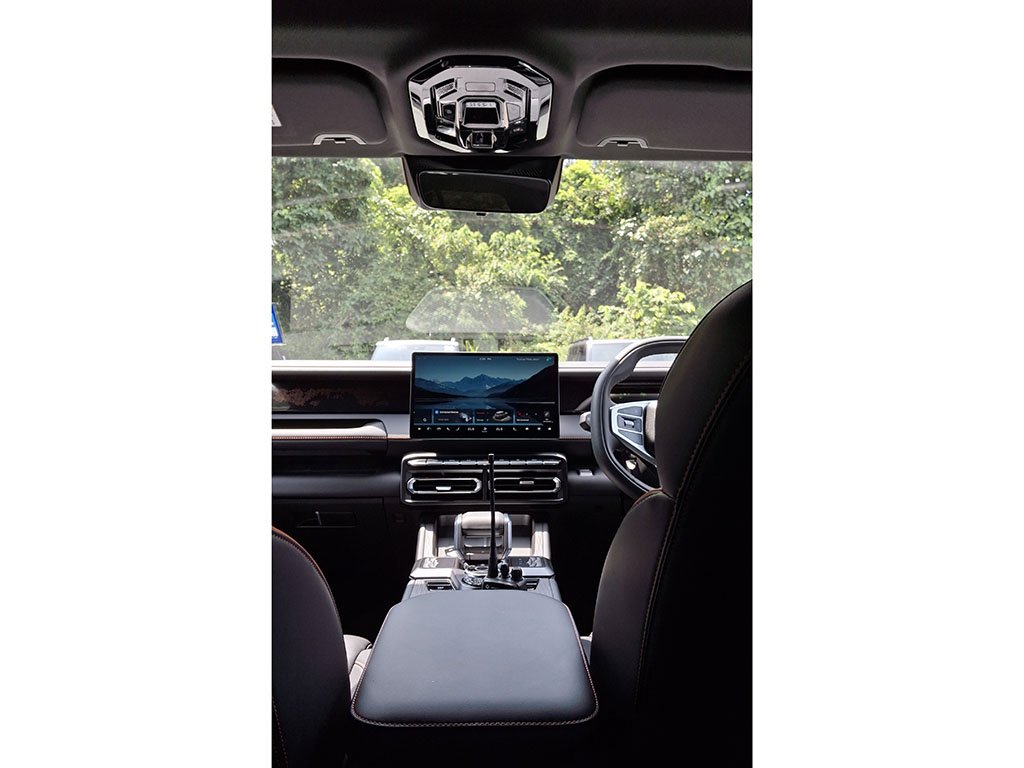
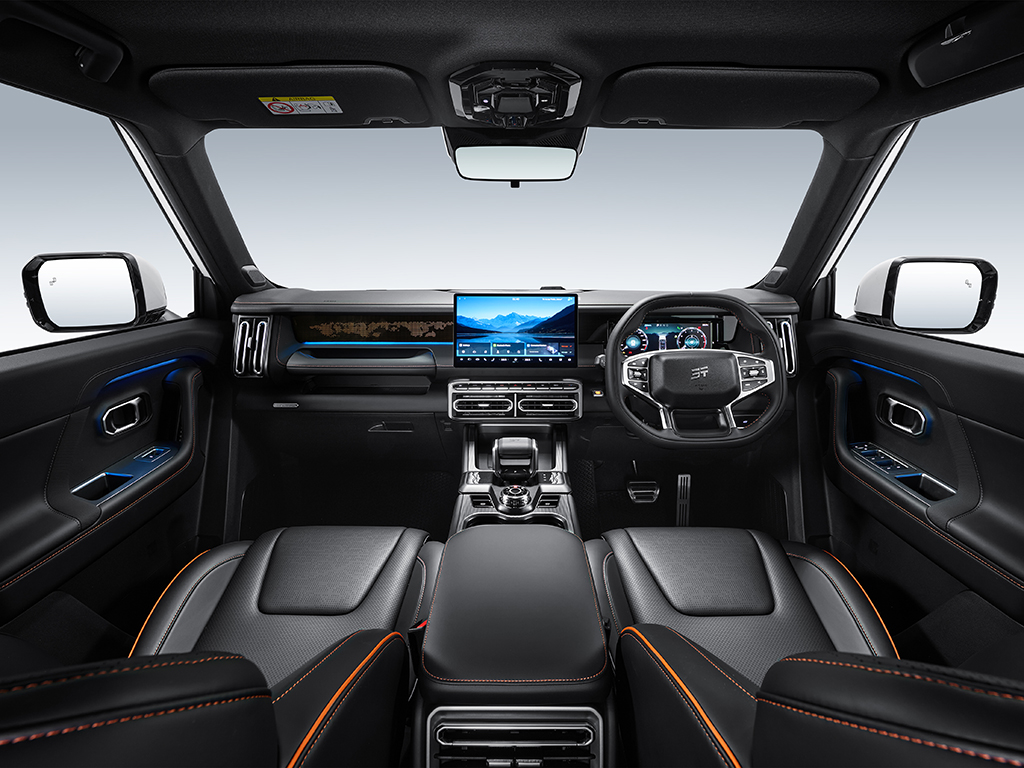
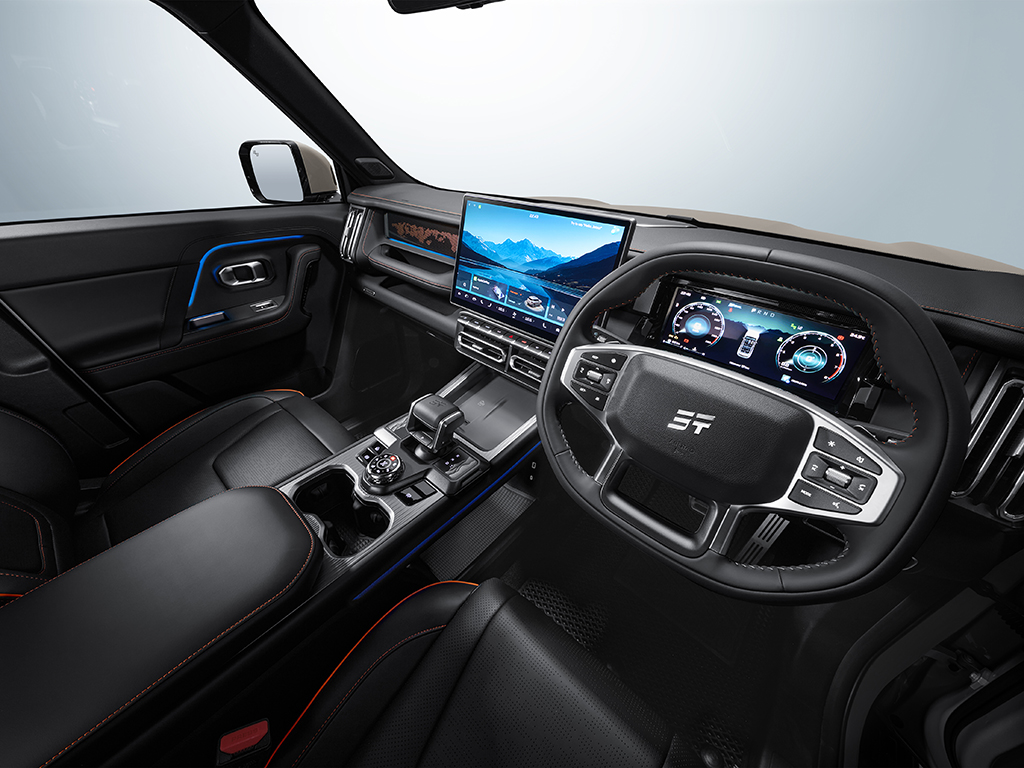
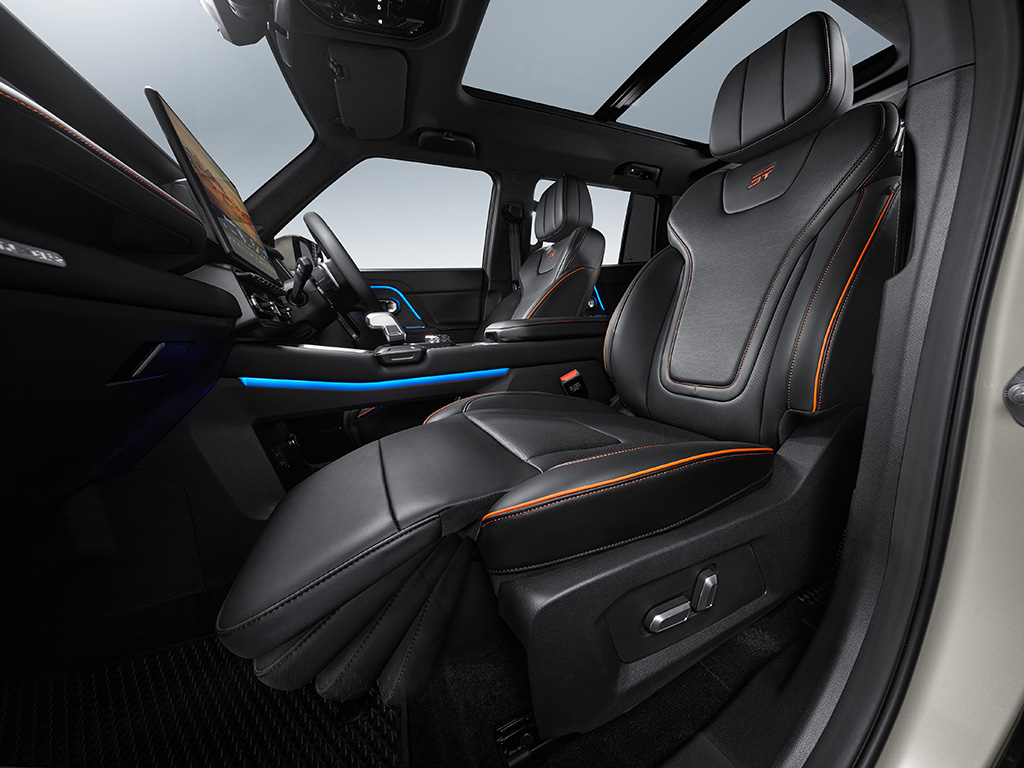
The T1 comes with strong features too; both variants come with dark leatherette upholstery, steering wheel paddle shifts and six-way electric adjustments for the driver’s seat (the T1 2.0-litre gets memory seat function and four-way lumbar adjustment and electric four-way adjustment for the front passenger seat along with a two-way tilt adjustable leg rest, perfect for long journeys).
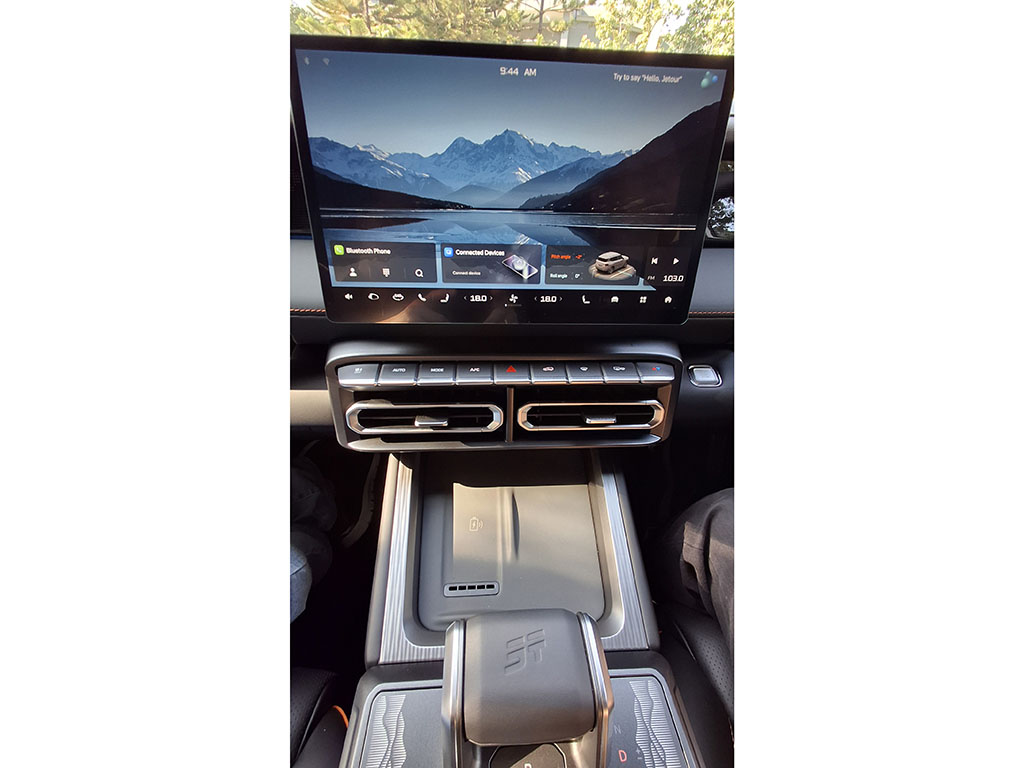
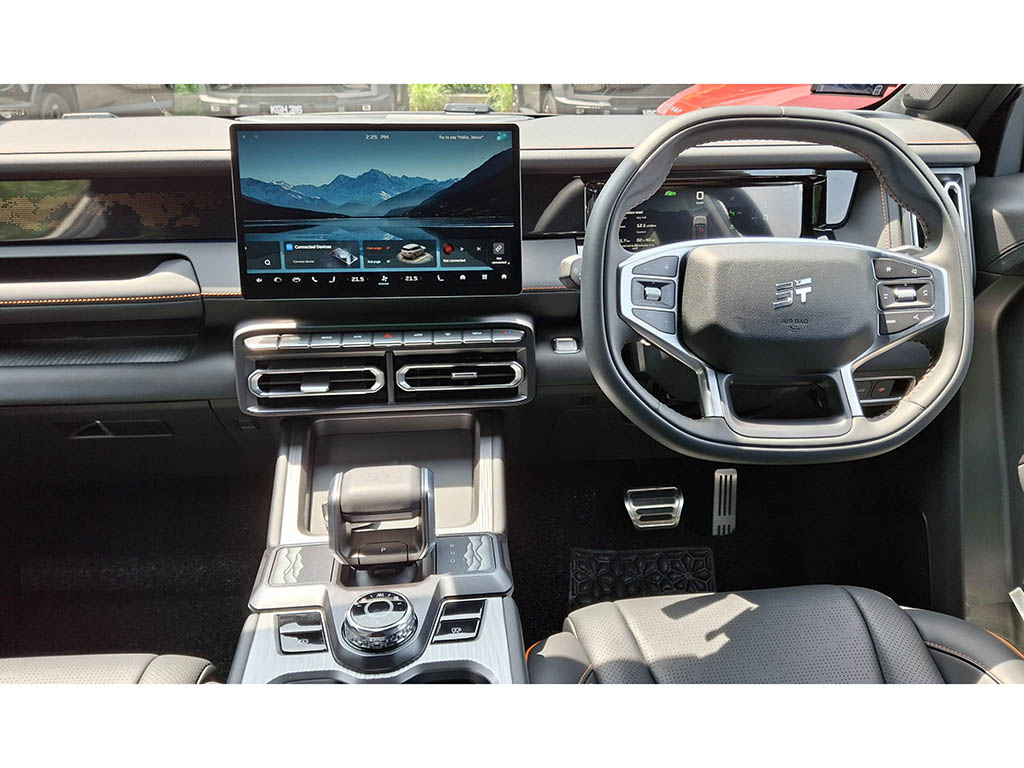
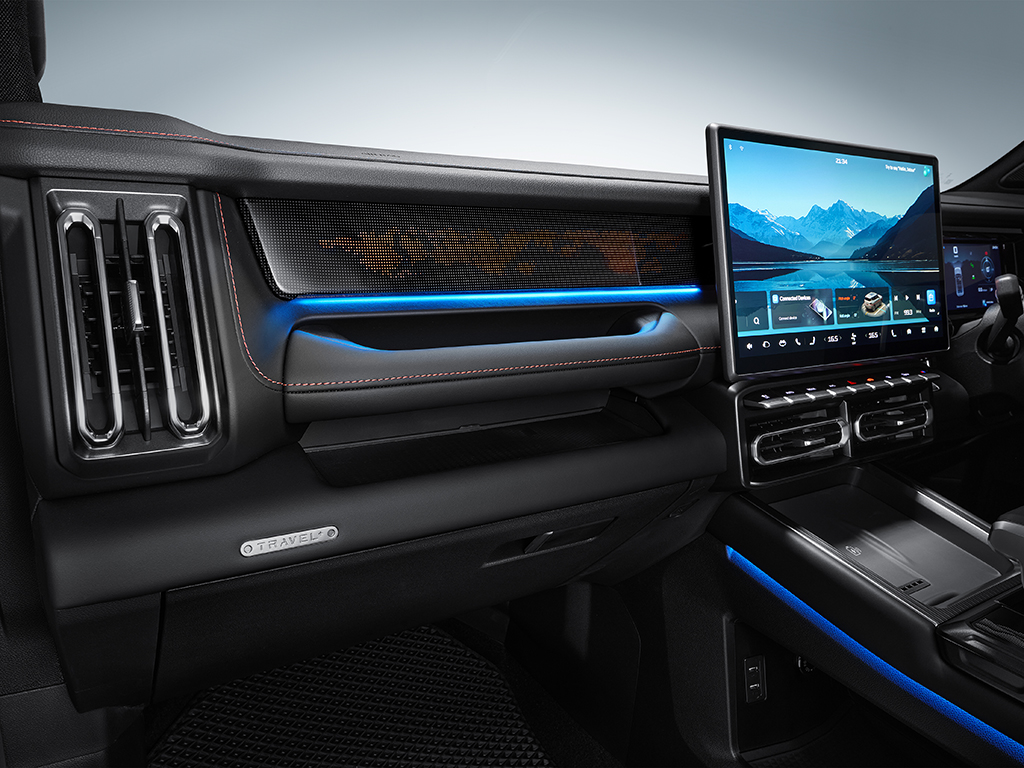
The T1 1.5-litre comes with an eight-speaker sound system while the higher-spec T1 2.0 has nine speakers for the Sony sound system. The latter also comes with a panoramic sunroof and multicolour interior ambient lighting (monochrome for the T1 1.5), and a larger 15.6-inch centre monitor display against the 1.5’s 12.8-inch unit.
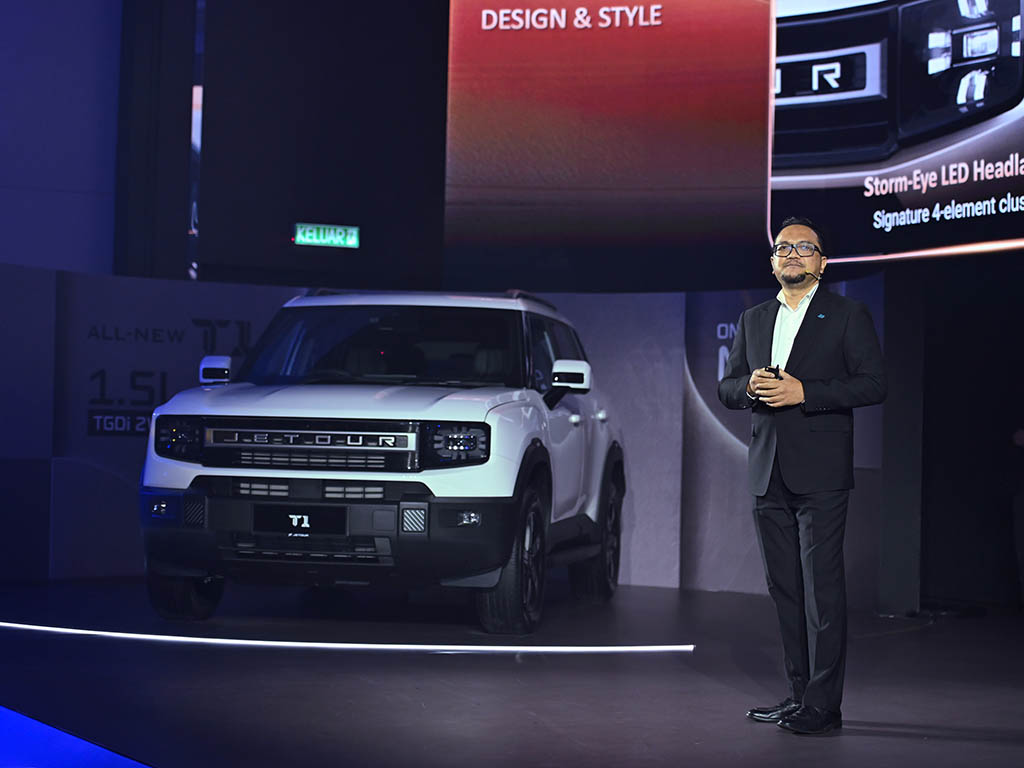
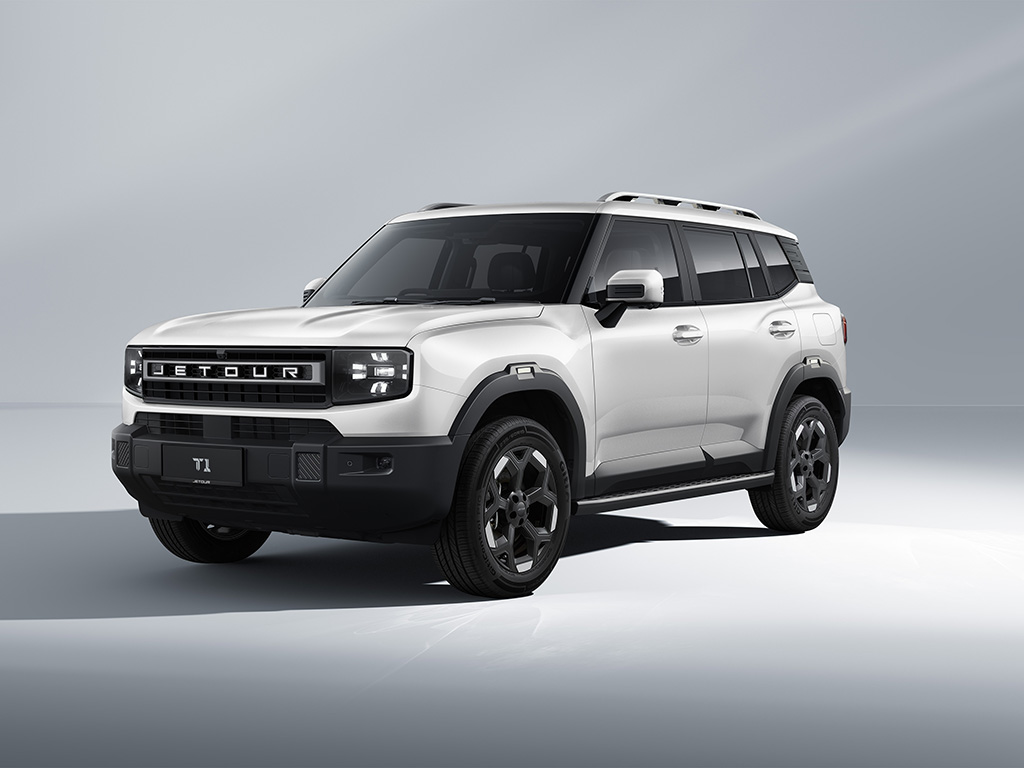
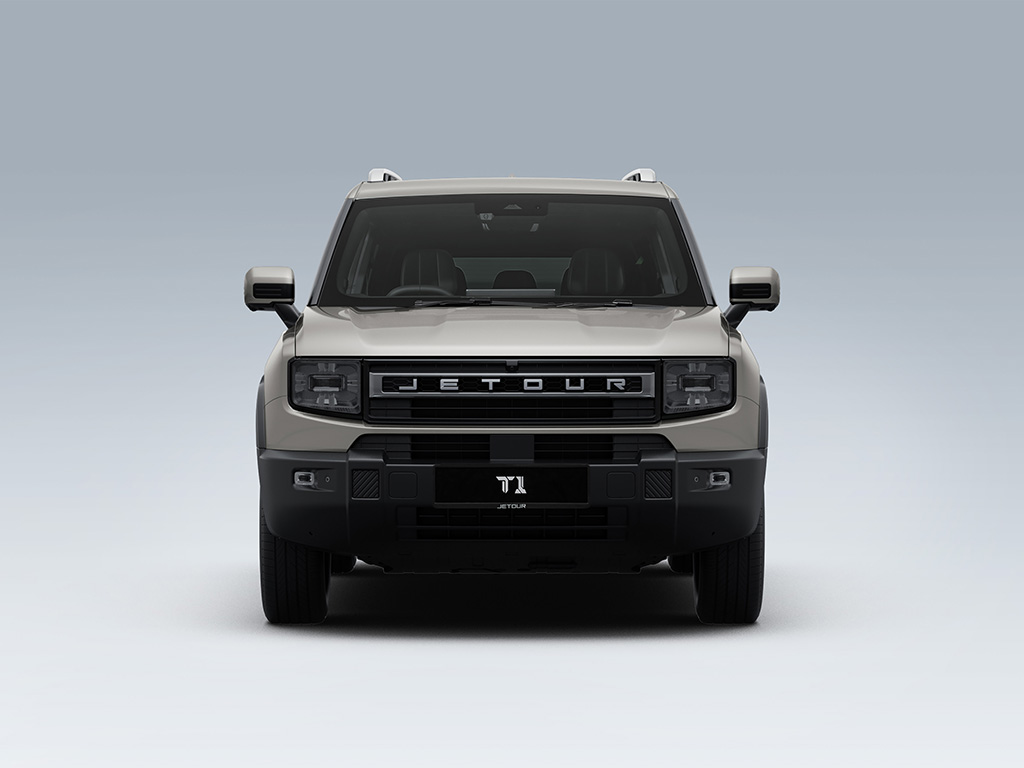
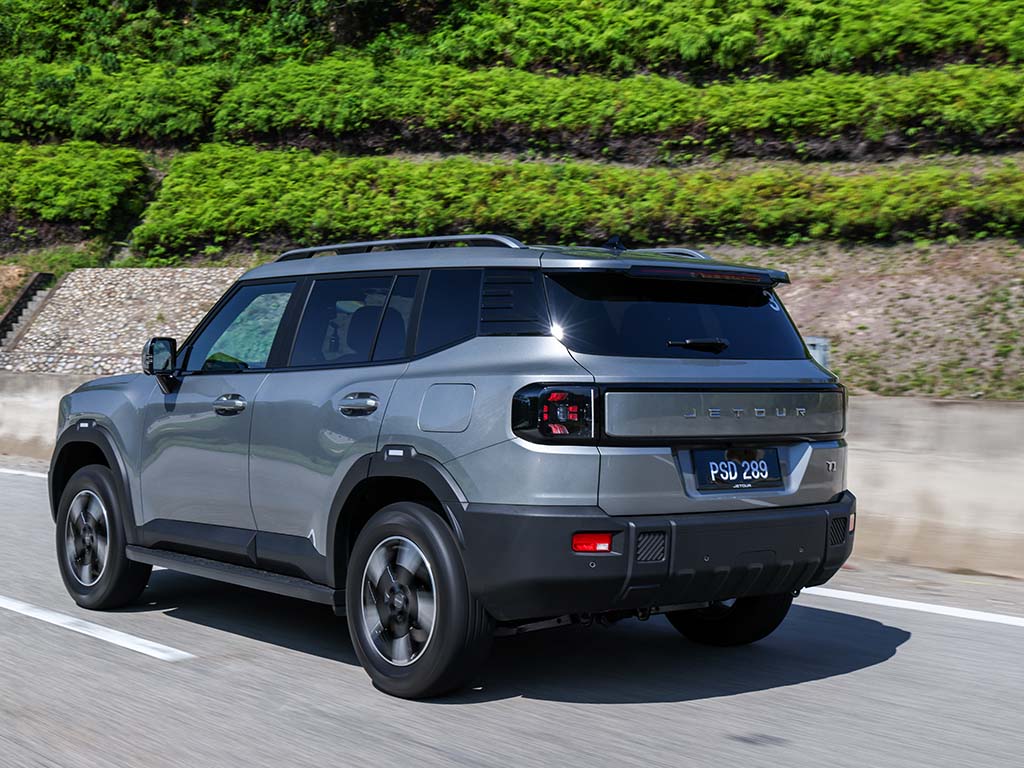
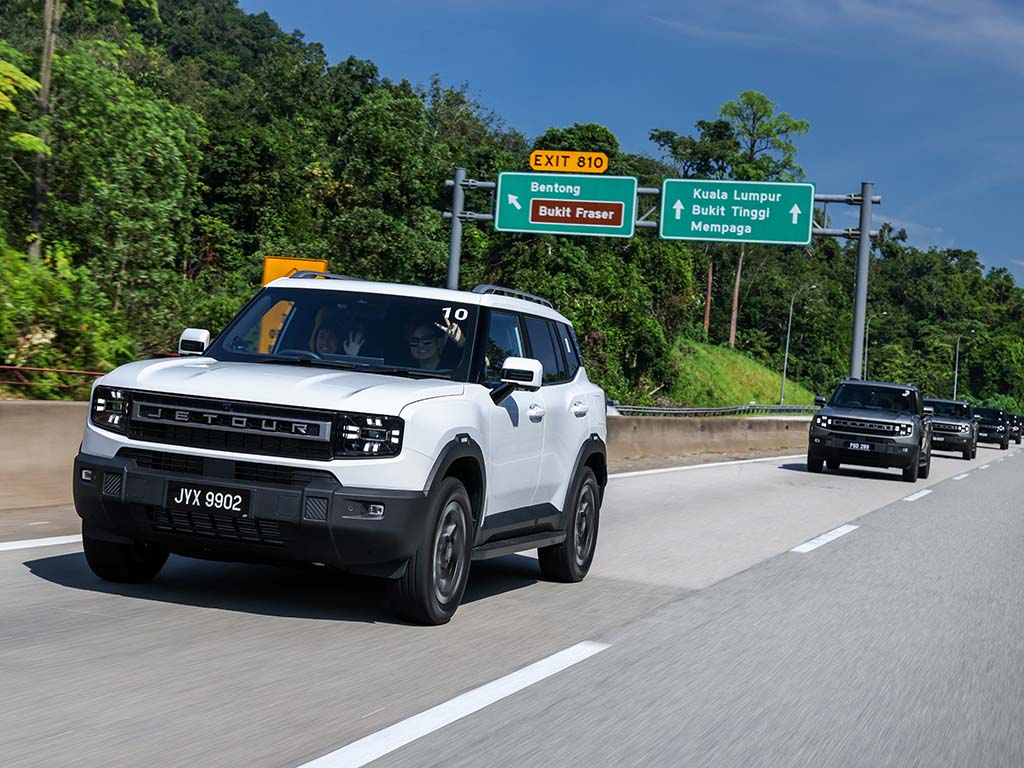
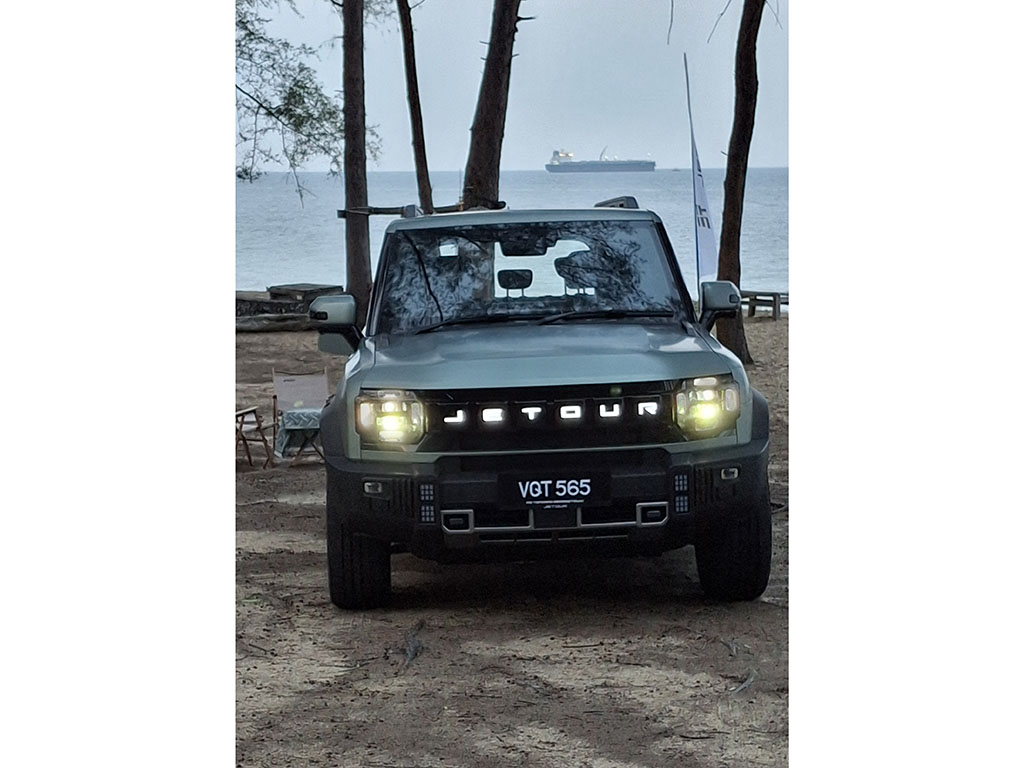
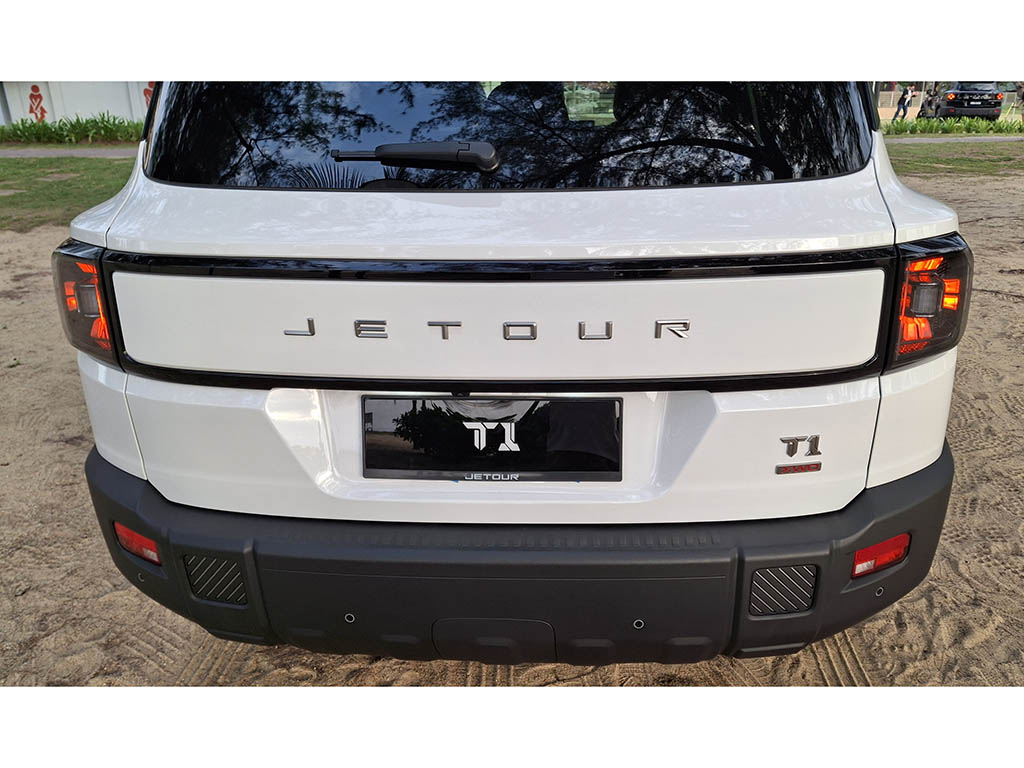
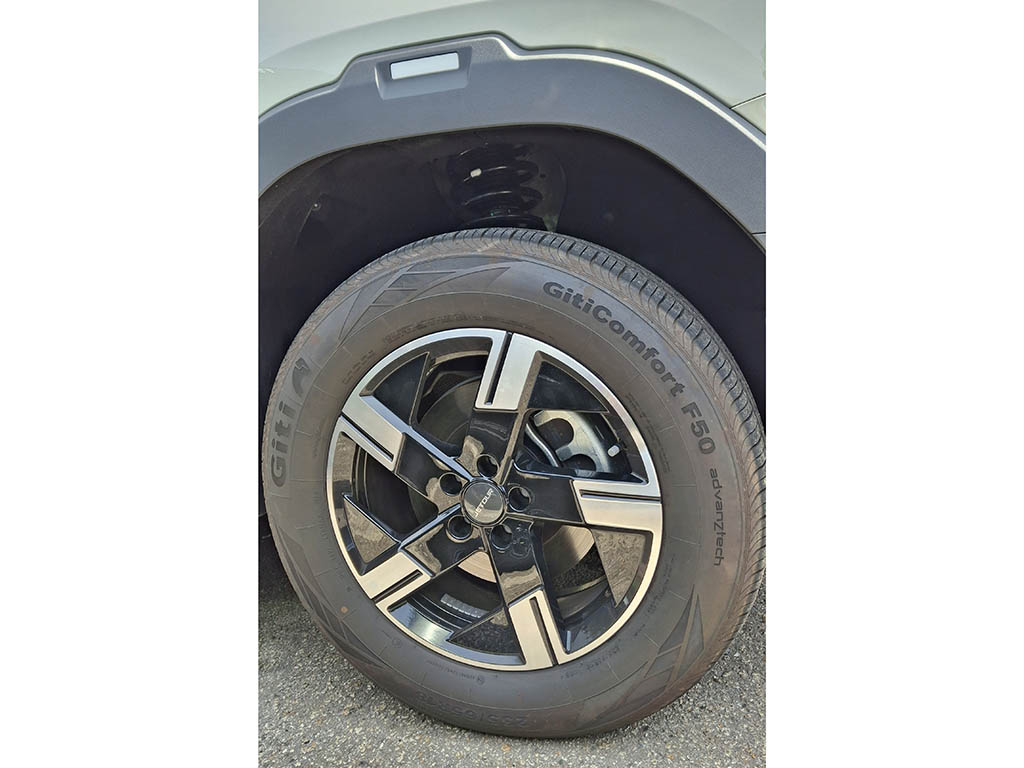
In styling, the unusual Storm Eye LED (light emitting diode) headlamps is carried over from the T2 and this styling is continued at the rear, unlike the T2 that has more of a conventional rear lamp cluster. The tailgate is electrically powered but the T1 comes with smaller alloy wheels; the T1 1.5-litre comes fitted with 18-inch alloy wheels and the T1 2.0-litre has 19-inch Petal-style alloy wheels (the T2 gets 20-inch alloy wheels). The tailgate design gives the T1 a more rounded rear styling against the squarish cut of the T2.
Upfront, the Jetour name running across the grille is more prominent against the subdued look on the T2. Outwardly, there is little to differentiate between the two T1 variants and the only giveaway is the XWD badge underlining the T1 name on the tailgate.
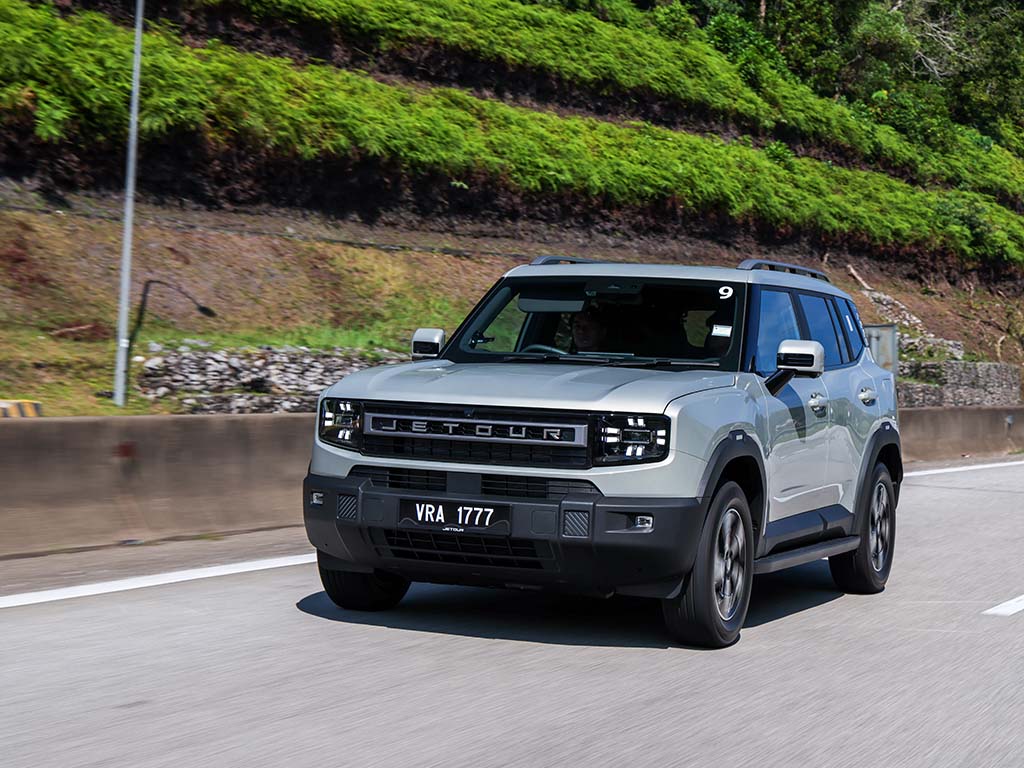
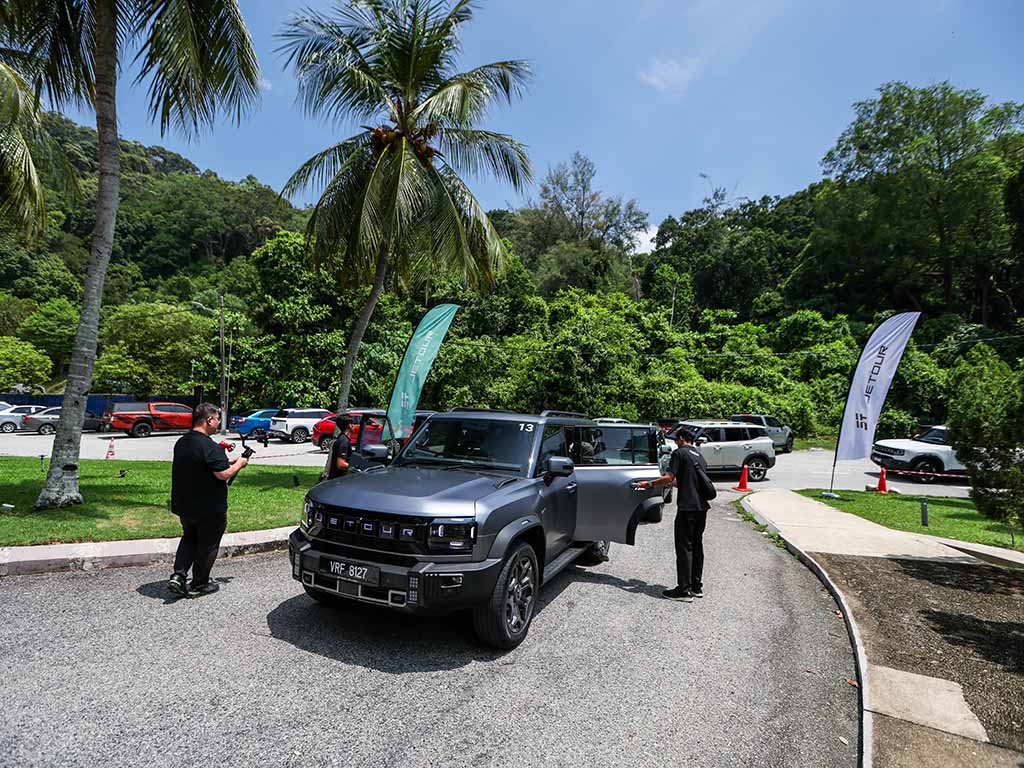
We were provided with the T1 1.5 for the KL-Kemaman drive. Getting onto the driver’s seat, we were rather bemused by the manual adjustment for the steering column height but it was an electric affair for adjusting the door mirrors. We had to select the door mirror mode on the central monitor and use the steering controls to adjust the optimum viewing angles.
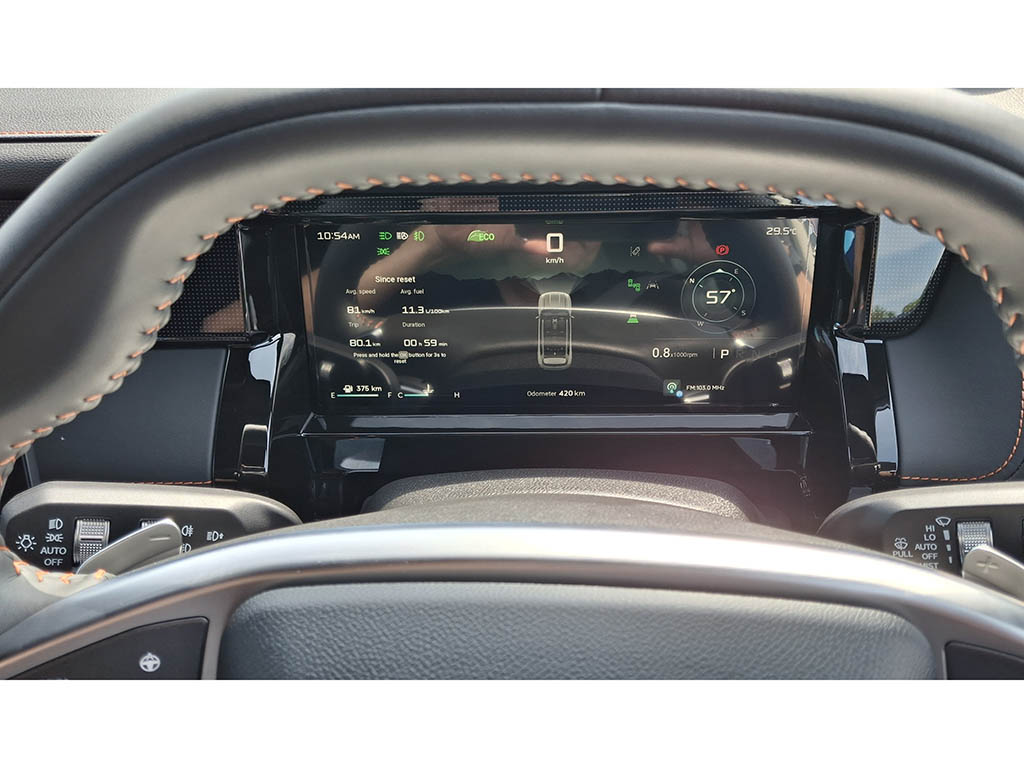
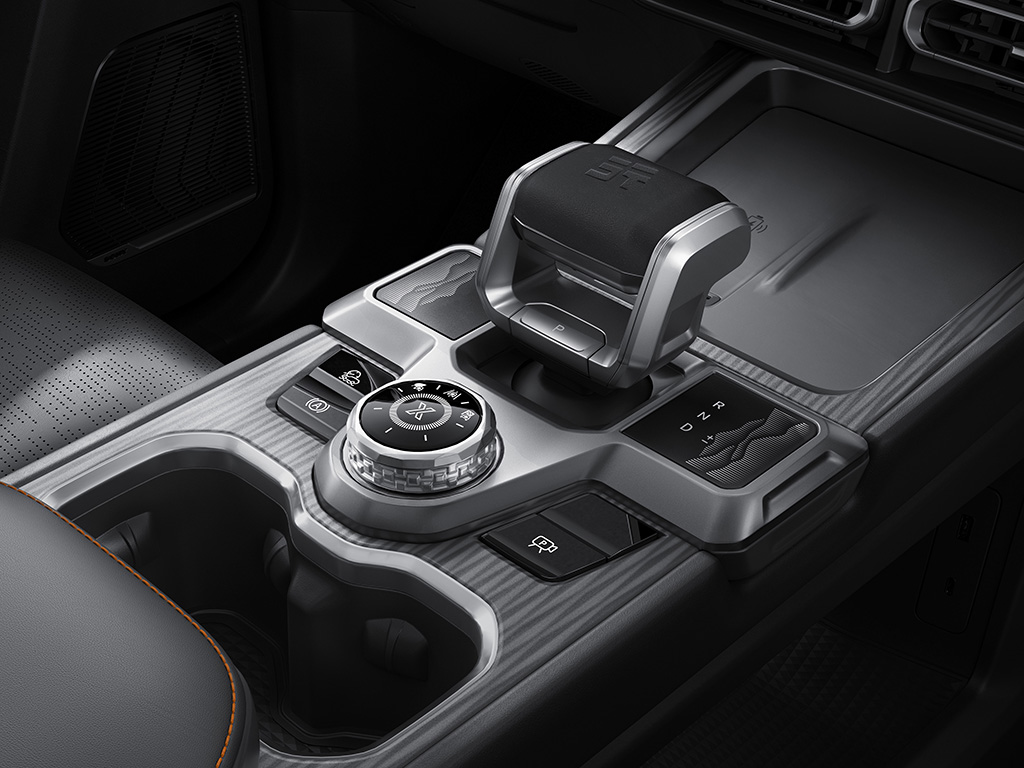
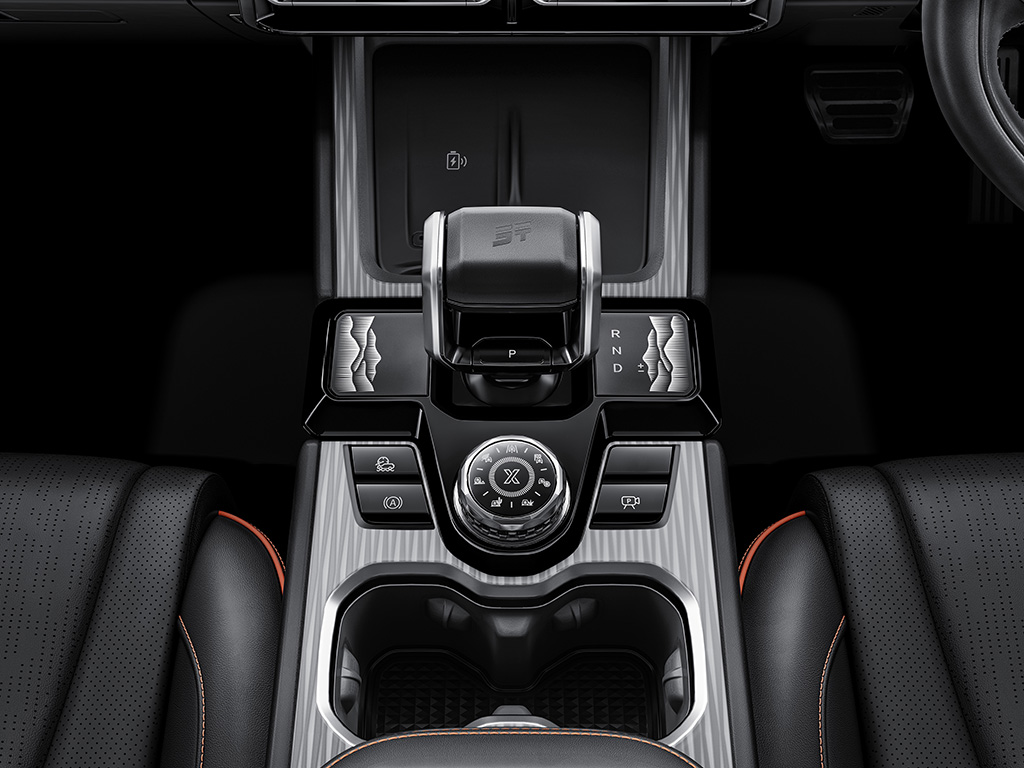
While the engine stop-start button is on the dashboard, the gear selector on the central console includes the parking brake control. There is also a rotary knob for the three drive modes – Normal, Eco and Sport – while that in the T1 2.0-litre all-wheel drive has up to eight modes to tackle the respective off-road terrain. A tyre pressure monitoring system comes as standard item.
On the move, the 1.5-litre turbocharged engine picked up the pace nicely but it wasn’t until we tried to keep in step with the 2,0-litre T1 on kickdowns that we noted the engine power difference. We could see the T1 2.0-litre turbo gaining speed faster than us when we hit the accelerator to pick up speed and we confirmed that a few times during the convoy drive from KL to Kemaman.
Tipping the scales at 1632kg kerb weight, it might be about 180kg lighter than the T1 2.0-litre, but the higher power and torque output of the latter gave it more oomph to pull away quicker. We felt it was slightly underpower against rivals in initial acceleration on the move, given the higher kerb weight the 1.5-litre turbo engine has to haul.
Nevertheless, once it got into its pace, the T1 1.5 could cruise at brisk speeds that could land the driver in trouble for speeding. Although the engine might sound busy from the outside, you hear little of it in the interior, thanks to good firewall and body insulation. That also gave us a quiet ride on the highway and we could carry a conversation without yelling and enjoy the music from the good sound system.
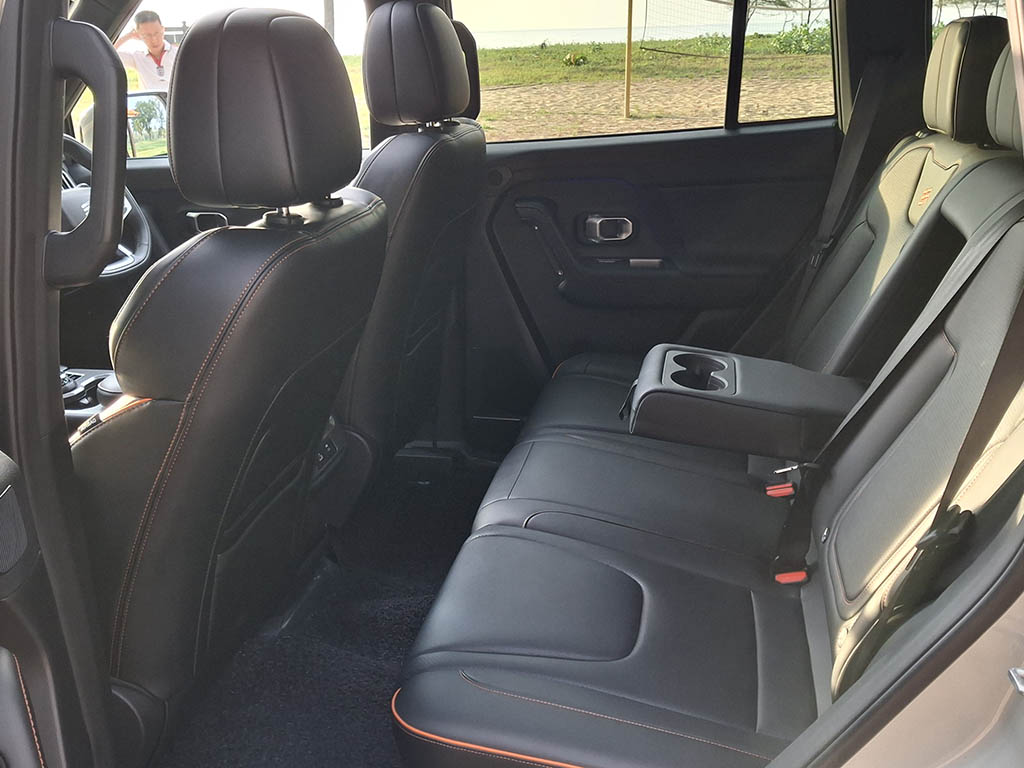
Running on a long 2800mm wheelbase certainly gave us more legroom, in particular from the rear seat perspective. We found it a bit more spacious, leg-wise, than our own Mazda CX-5 although headroom and elbow room were somewhat similar. We also enjoyed the ride comfort as the MacPherson front suspension and multi-link rear appeared well tuned to provide good highway stability and appreciable ride comfort.
Adding to that was the low wind noise, indicating that a somewhat boxy profile with smoother edges and lines could reduce air turbulence significantly. No doubt, the body insulation we mentioned earlier also played its part keeping wind noise out while the suspension mountings also suppressed the transmission of road noise.
By the way, the tyres fitted to the T1 1.5 that we drove were GitiComfort F50 of the size 235/65 R18, which ran quietly on the varying road surfaces of the highway and in urban areas. It also comes standard with a Level 2 Advanced Driving Assistance Systems (ADAS) that covers a wide range of passive and active safety systems.
During the winding Karak highway stretch, we noted from the front passenger seat that the T1 1.5-litre appeared to take to sweepers and tight bends with a good degree of grip and minimal body lean at reasonably good speeds. We are confident the T1 would be right at home being pushed harder through twisty roads
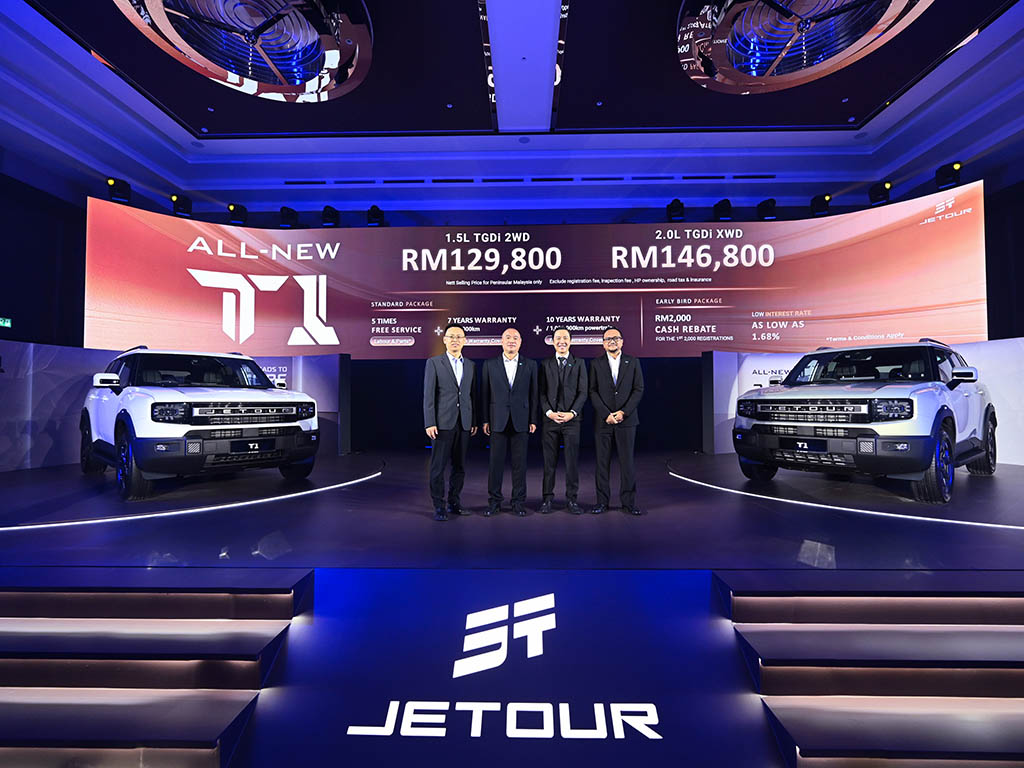
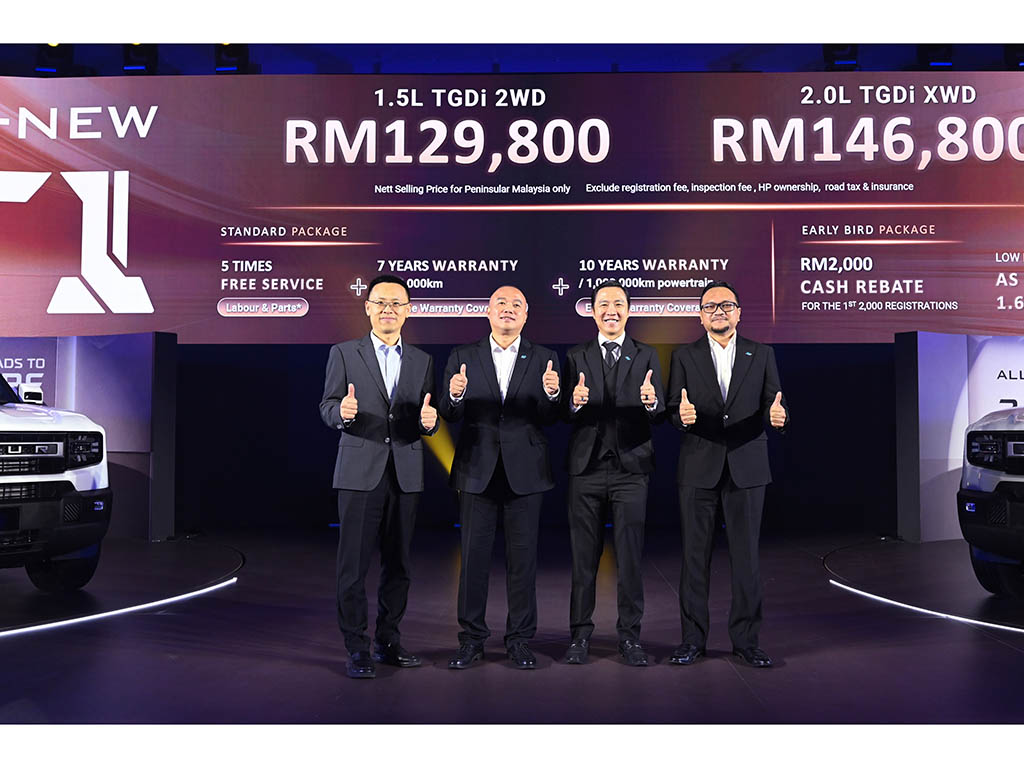
The Jetour T1 also draws strong appeal with its attractive prices. Being a locally assembled model has contributed to this. The T1 1.5-litre has a retail price of RM129,800, presumably on the road without insurance, and the T1 2.0-litre is priced at RM146,800. The T1 is supported by a seven-year or 150,000km vehicle warranty and a 10-year or 1,000,000km powertrain warranty. There are also five complimentary maintenance services.
Given the positive notes of the KL-Kemaman drive, we believe Jetour Malaysia would continue to move more Jetour vehicles with the T1 joining the range. As it were, for the first half of this year, 5048 Jetour vehicles were sold, of which the T2 accounted for a good volume of. By year end, more than 10,000 Jetour in sales volume could be easily achieved.