since 1976

since 1976
By Lee Pang Seng
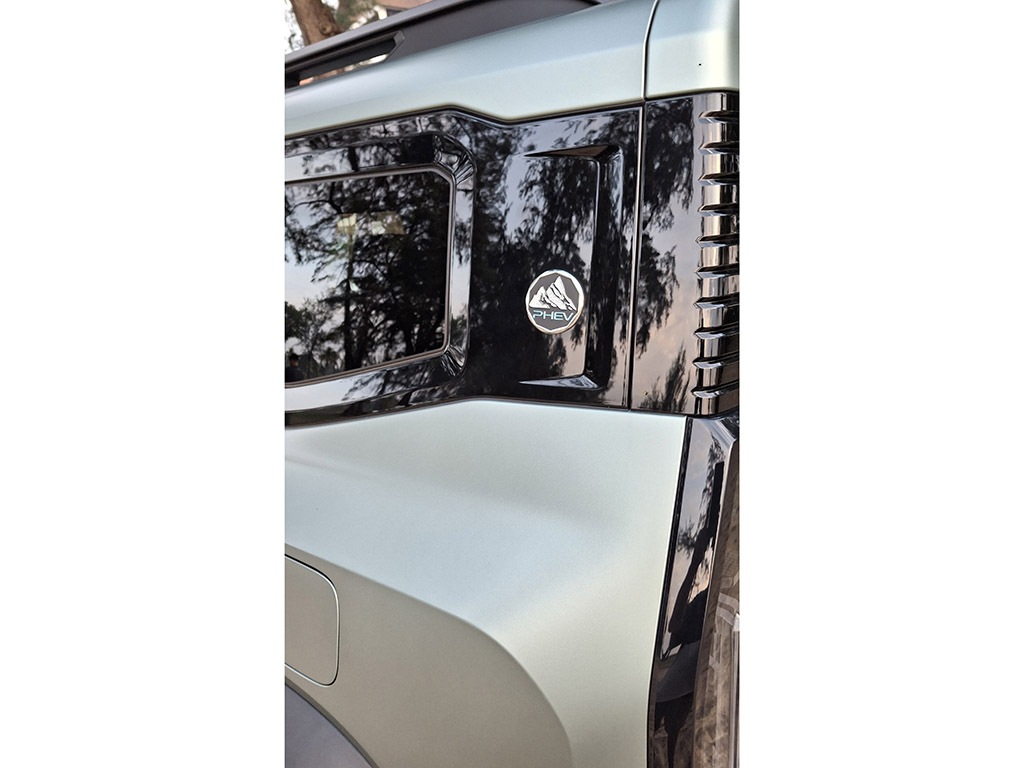
JETOUR certainly doesn’t sit around waiting for things to develop after expanding its range to include the T2 in March. Instead, it is actively responding to strong market feedback by introducing the T2 i-DM PHEV (Plug-In Hybrid Electric Vehicle) to extend the range just five months down the road and tap on the growing demand for hybrid vehicles.
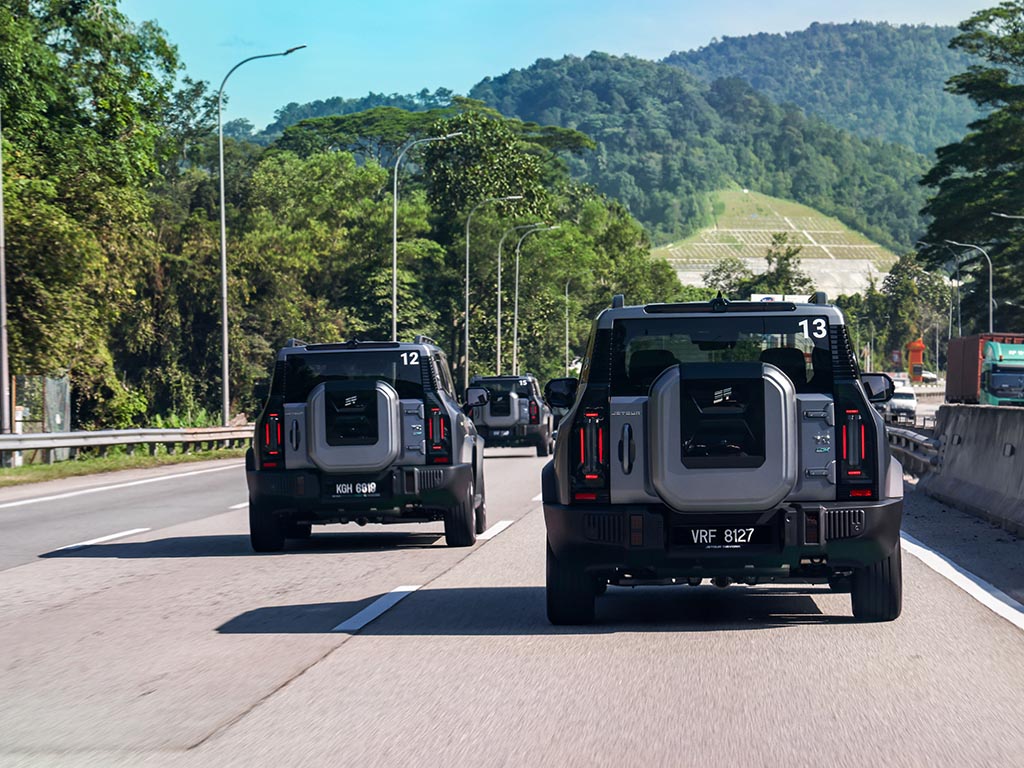
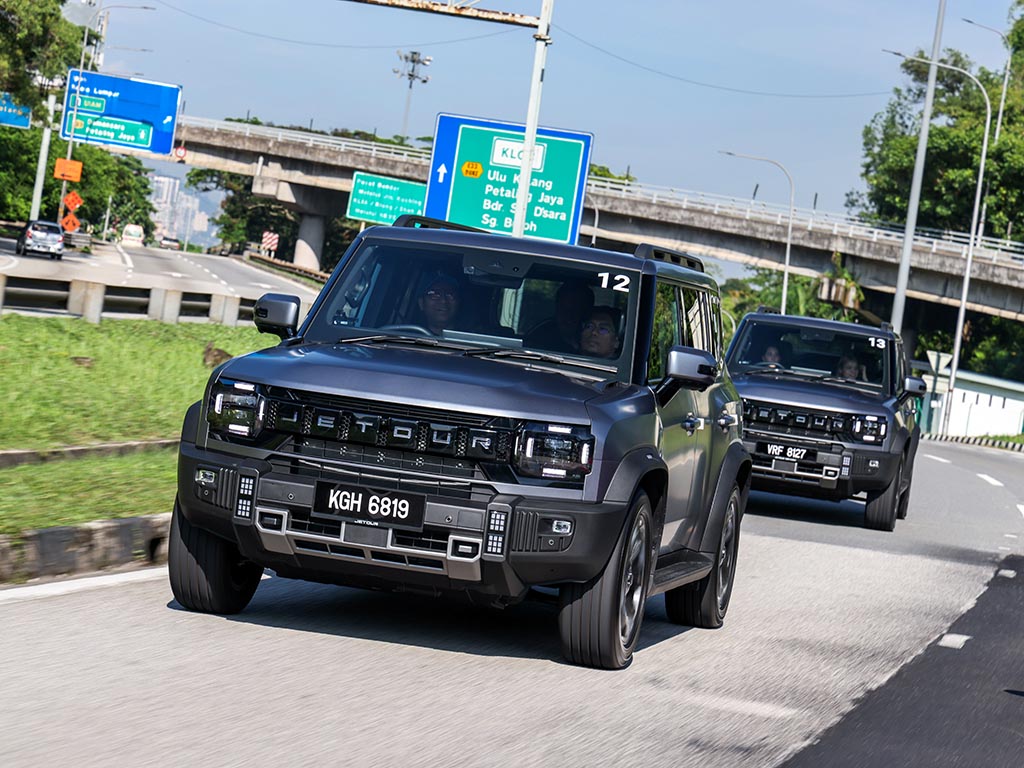
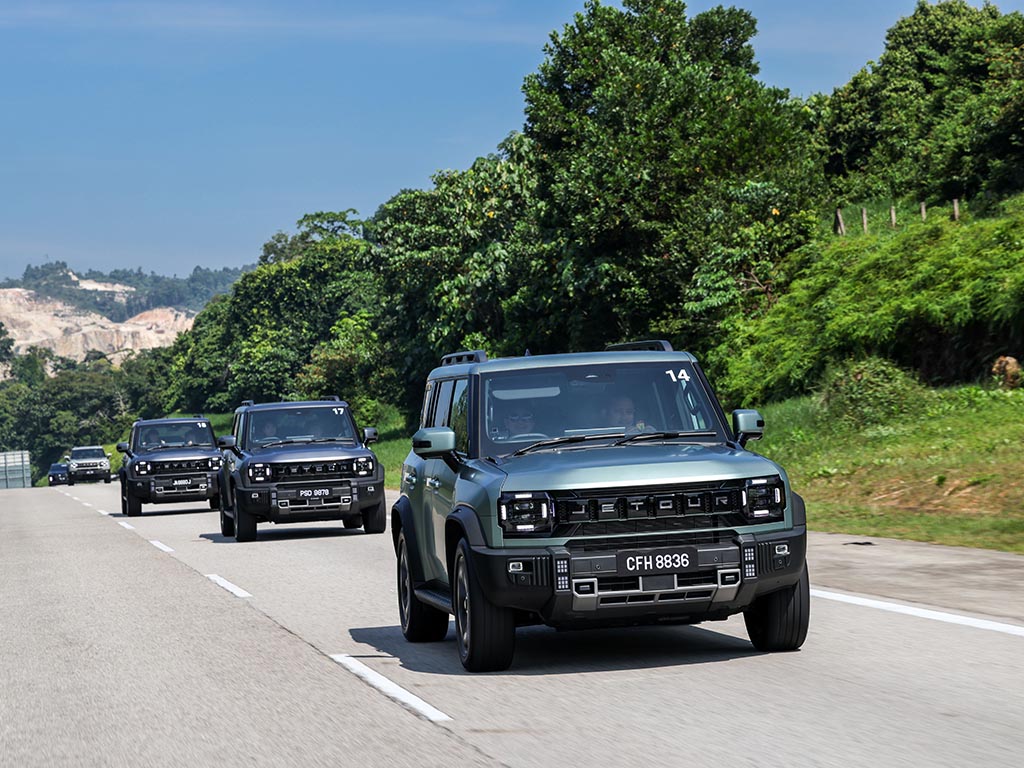
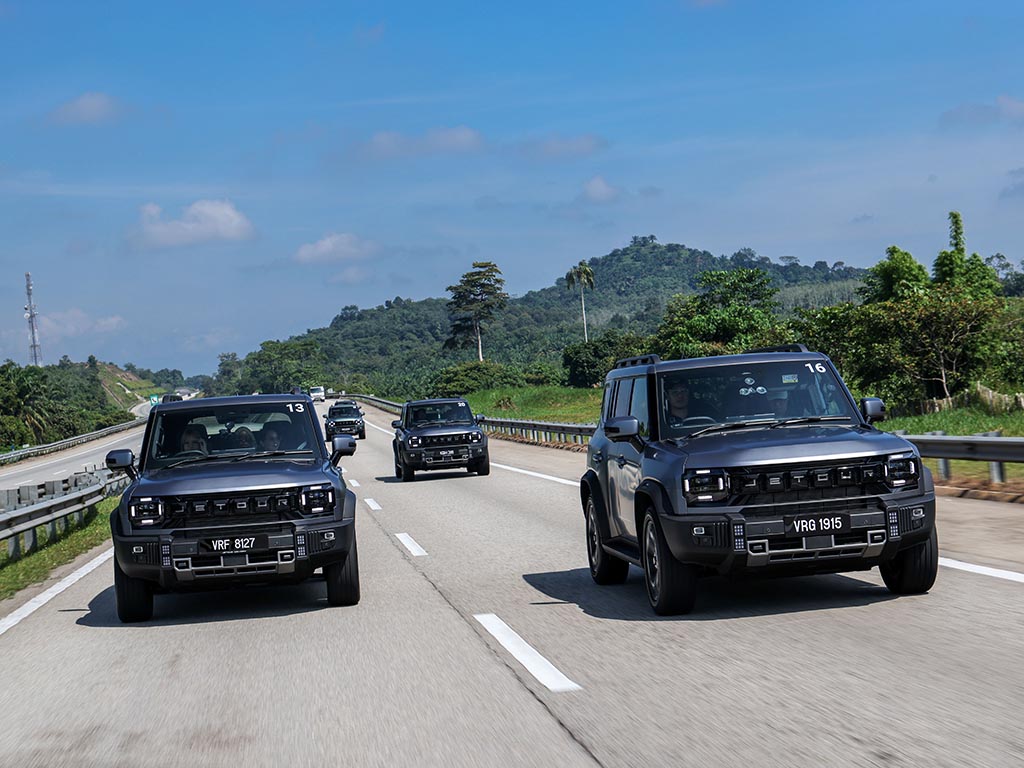
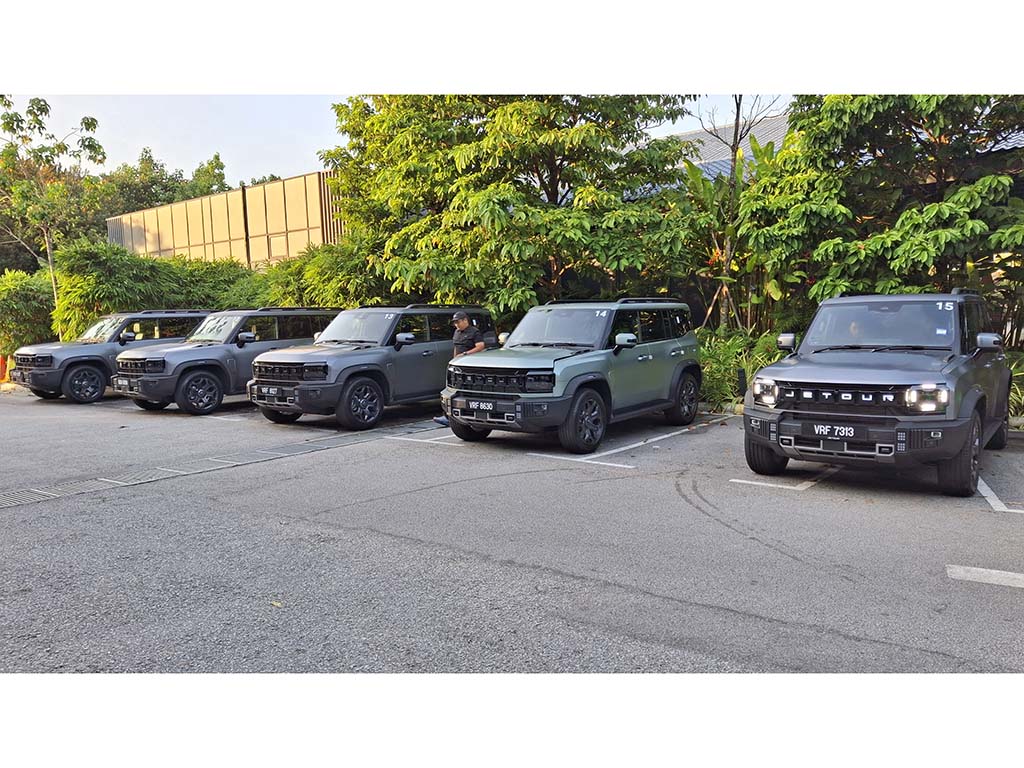
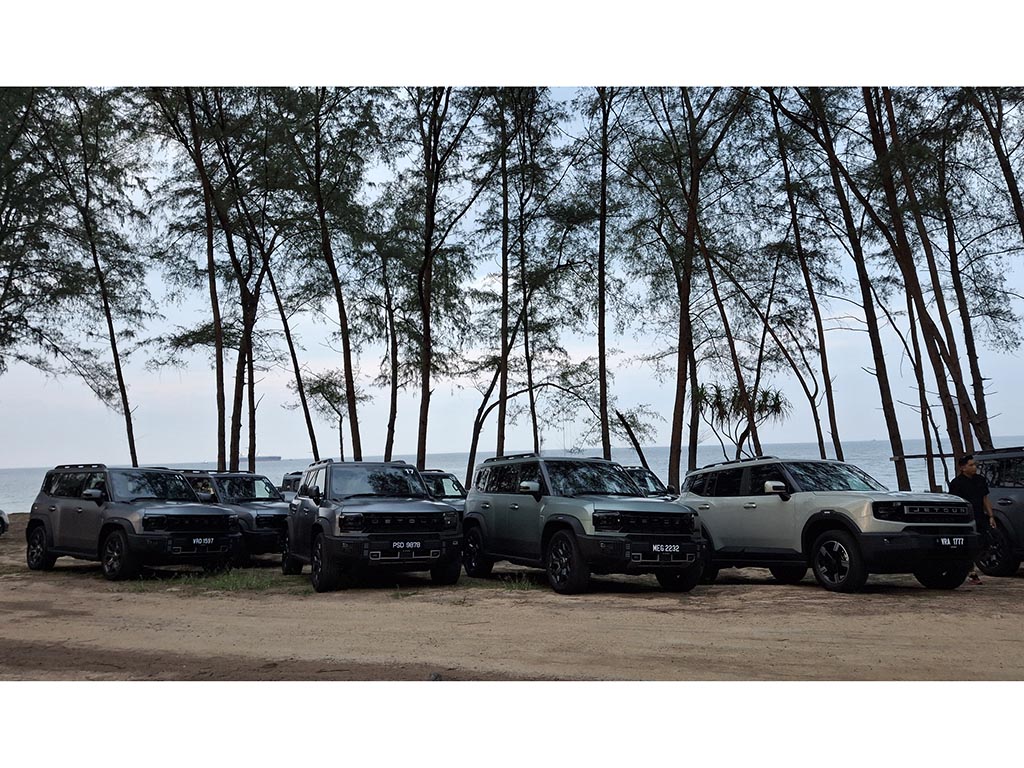
The automotive media was given a preview of the T2 PHEV during the launch of the T1 in July that included a drive to Kemaman, Terengganu. While we drove the new T1 to Kemaman, we drove the T2 PHEV to KL the following day. To prove that the T2 PHEV could deliver a combined mileage of up to 1200km per tankful, a carrot was dangled for the media to achieve the best possible mileage over the distance between KL and Kemaman.
Before we delve into our drive from Kemaman to KL, let us introduce you to what the T2 i-DM PHEV is all about. Firstly, because it is a hybrid vehicle, it has a smaller 1.5-litre engine against the 2.0-litre unit in the T2 non-hybrid model launched earlier in the year. Its name i-DM stands for ‘Intelligent Dual Mode’, meaning the use of engine and electric power in vehicle propulsion.
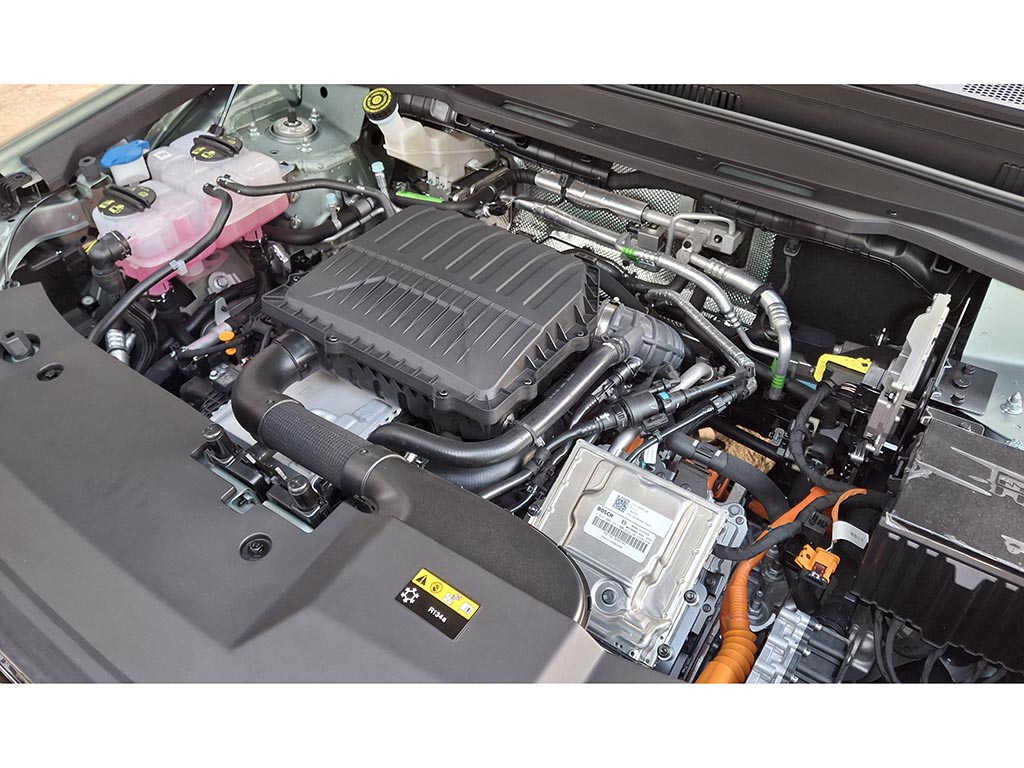
The Jetour hybrid system pairs a 1.5-litre TGDi (Turbocharged Gasoline Direct injection) DHE (Dedicated Hybrid Engine) with a dual-motor electric system that is powered by a 18.4kWh battery. The transmission is a three-speed Dedicated Hybrid Transmission. The combined engine and electric motor output is 265kW (360ps) and 610Nm, which should serve its all-wheel drive system well.
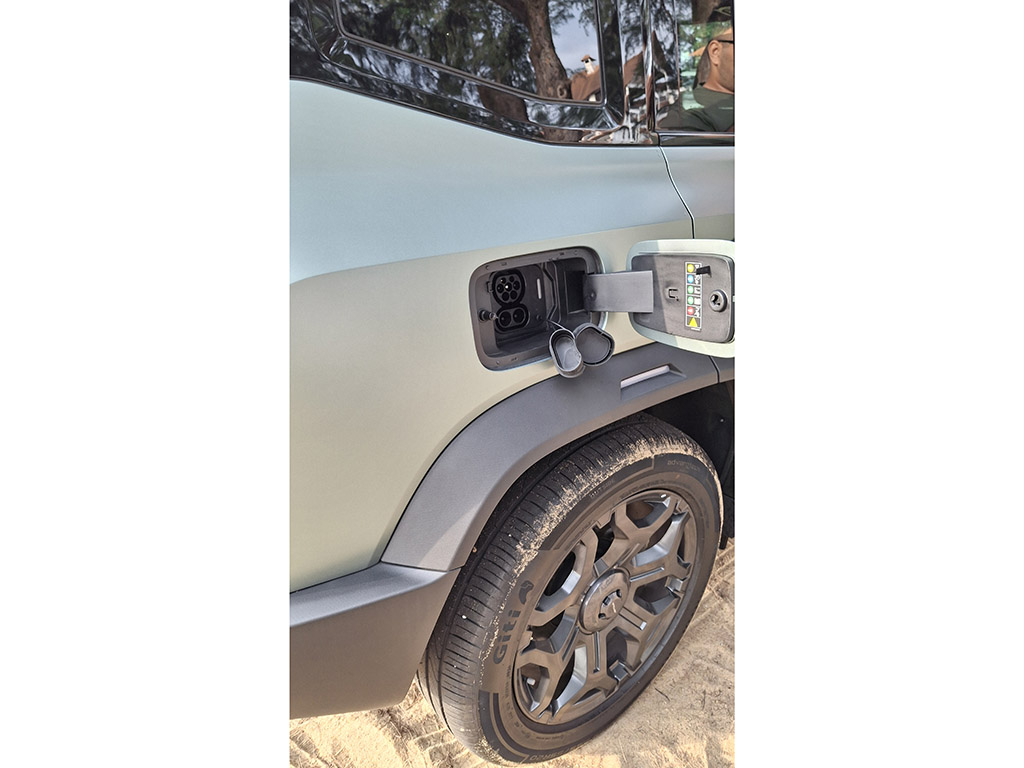
Jetour says the battery has a range of more 100km when fully charged, which should suffice for electric mobility in urban driving most of the time. That’s because the battery could be frequently recharged during braking and deceleration as per the norm for electric powered vehicles. With an AC Wallbox, charging from 30 to 100 per cent would take three hours.
When we started our drive, the battery level was about at its fullest as indicated on the driver’s instrument panel. However, we didn’t attempt the best mileage challenge as we were pressed for time in trying to keep within the set limit and taking a detour to a terrapin conservation centre (which was part of the drive programme) and having lunch in Cukai didn’t help.
What we learnt was that the respective winner of the two legs – KL to Kemaman and Kemaman to KL – achieved above 1000 kilometres. This was based on the range that was available as recorded on the driver’s instrument panel at the end of the drive and the distance covered.
Meanwhile, the combined power and torque output allowed us to maintain a robust pace. When the battery level was high, the moving acceleration was strong when passing slower vehicles. There was an immediate uptake in road speed and it built on strongly from there. Similarly, we could feel the lack of push when the battery level was low but the 1.5-litre turbo engine could hold its own reasonably well.
For a square cut body profile, the Jetour T2 PHEV ran quietly on the highway and everyone on board could take their turn for forty winks. We hardly heard the wind noise and as a result, we heard more of the road noise over the varying tarmac surfaces. Even so, the body insulation was good and suspension mounting well damped to achieve low noise intrusion into the passenger cabin.
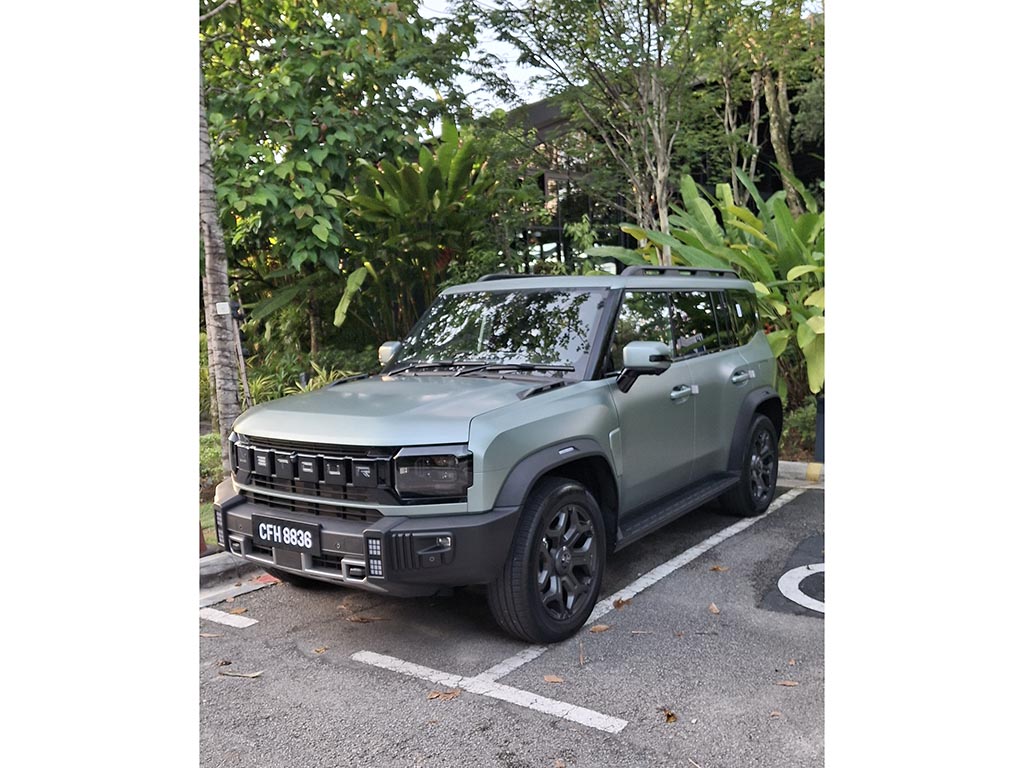
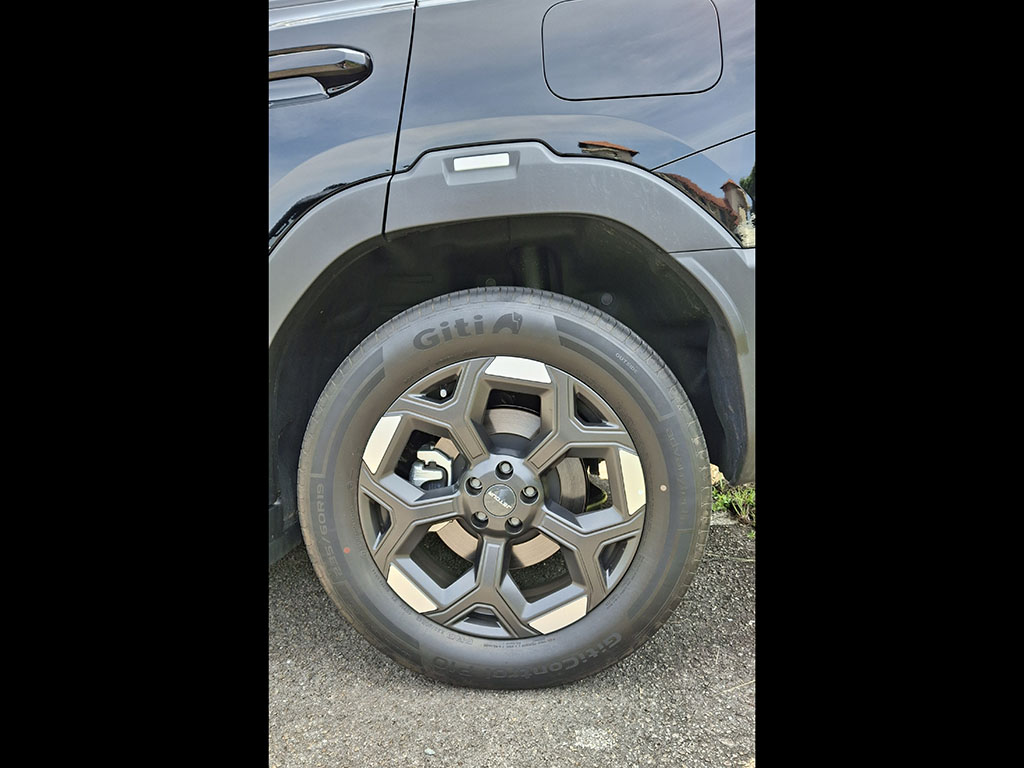
The tyres fitted were GitiContact P10 255/55 R20. Despite the 20-inch alloy wheels, the T2 PHEV took to road bumps and dips very well, absorbing the impacts nicely to provide a good ride for all on board. It was also very stable on the highway. The suspension system sees a MacPherson strut front and a multi-link rear that was obviously set up to handle road undulations in the best possible way.
It was a pity that we didn’t get to gauge its dynamic ways fully through the few sections of winding road that we covered to get to the respective destination due to the heavy traffic. The T2 PHEV did show some semblance of its dynamic prowess from the moderate speed taken through the corners and sweepers and the minimal lean of the body.
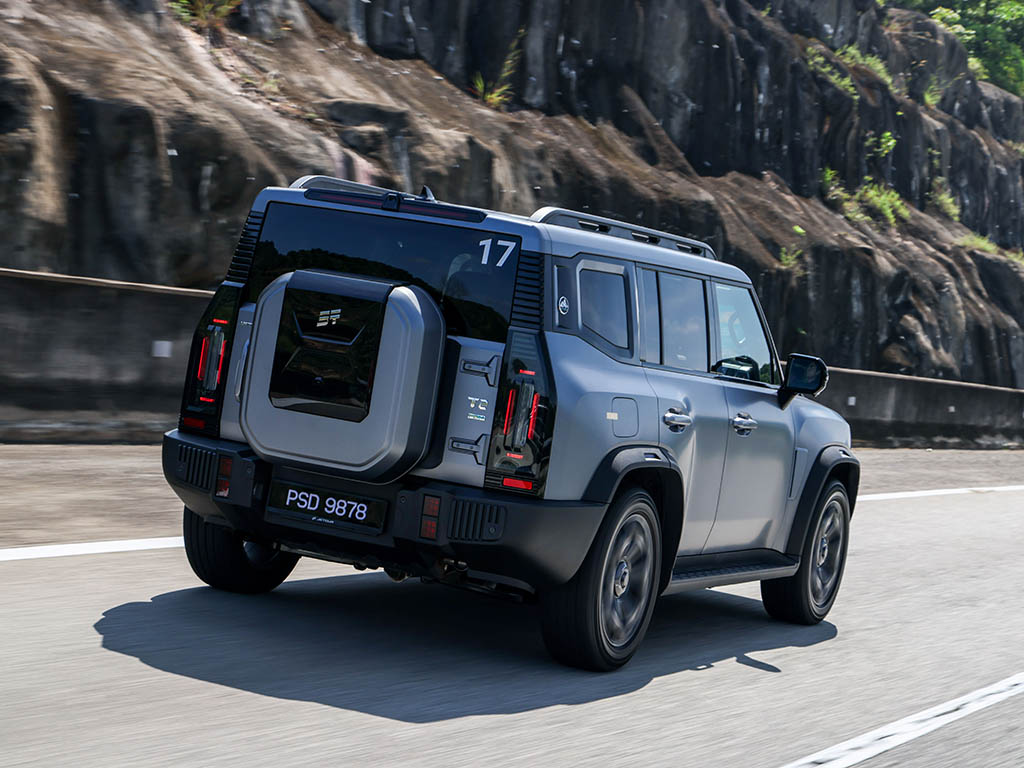
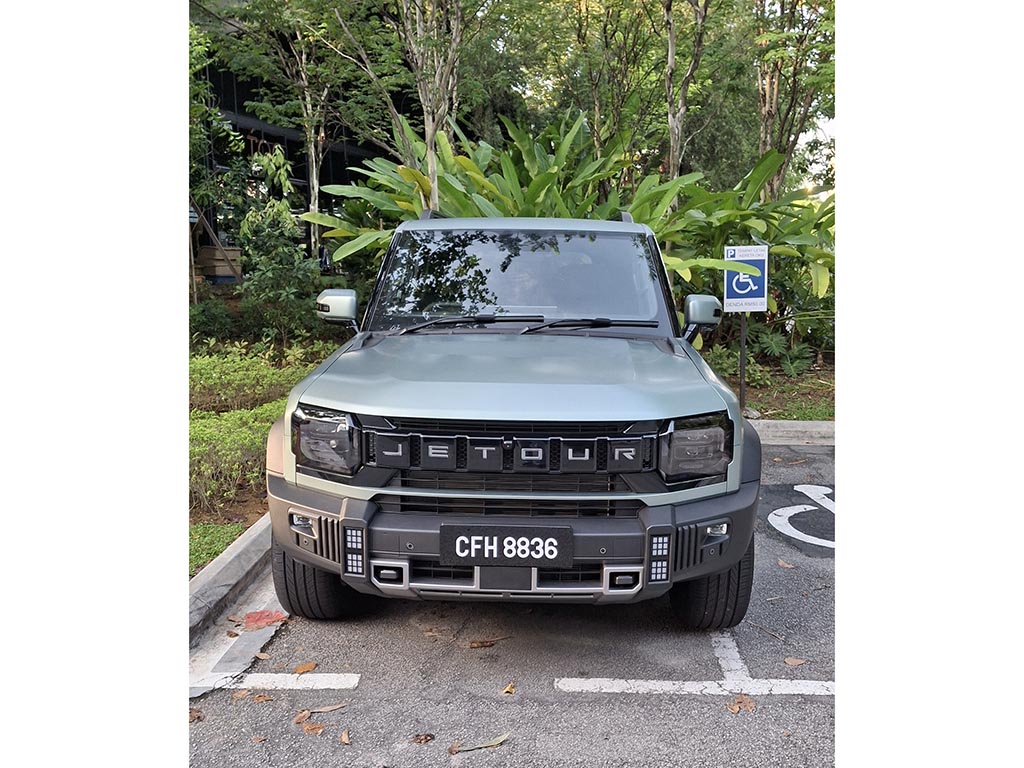
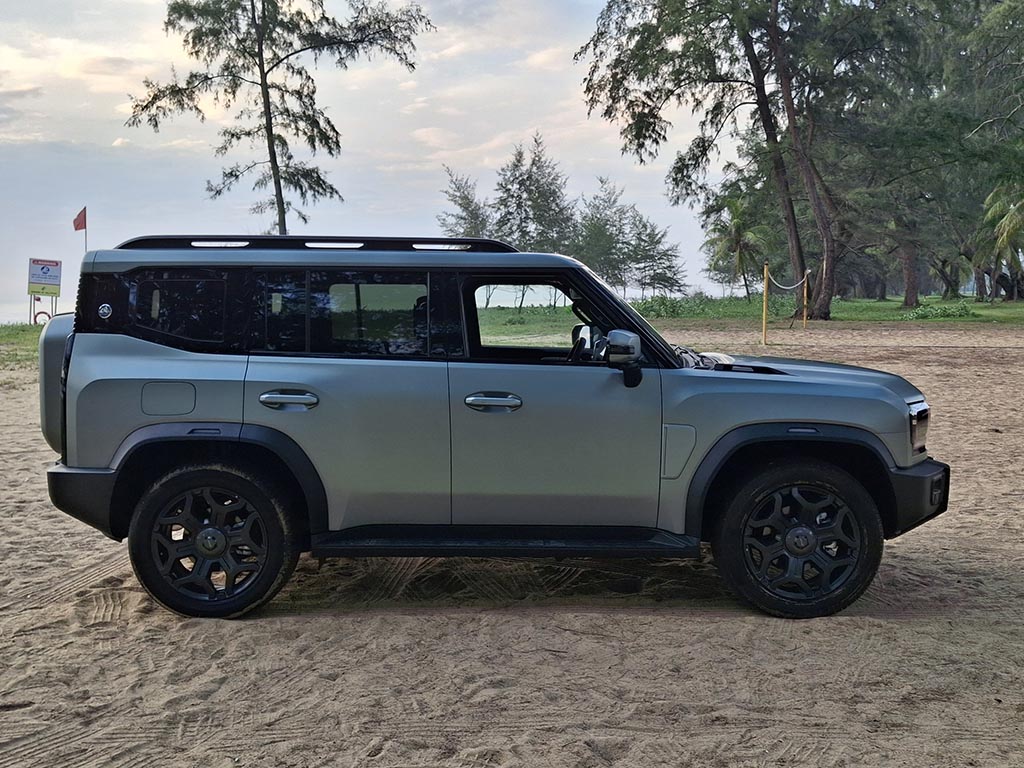
As a premium adventure SUV (sport utility vehicle), the Jetour T2 has the dimensional volume in body size to top the C-segment category. It has a long wheelbase of 2800mm, a body length of 4785mm, width of 2006mm and height of 1870mm. It has a water wading capability of 700mm, perfect for lightly flooded stretches.
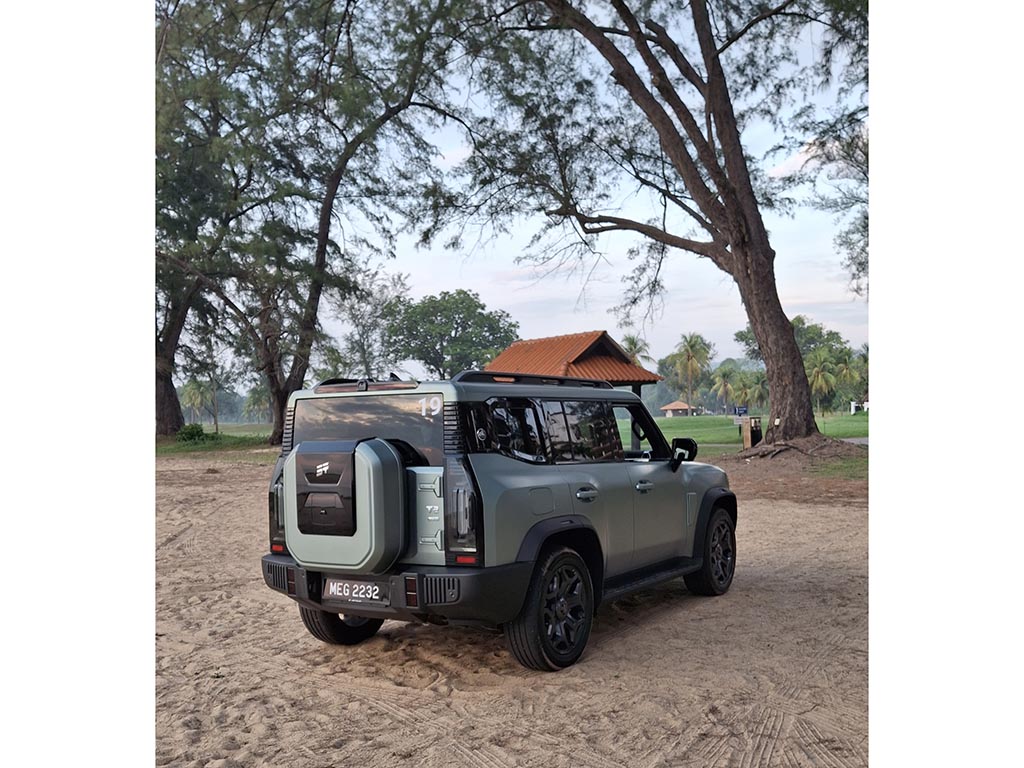
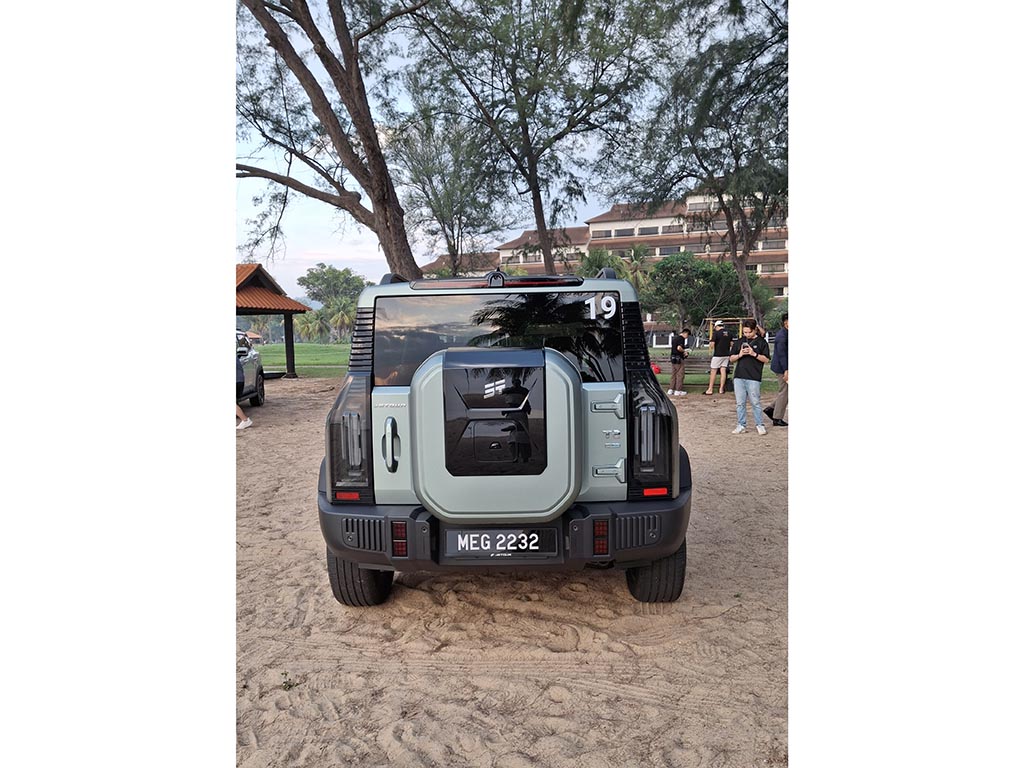
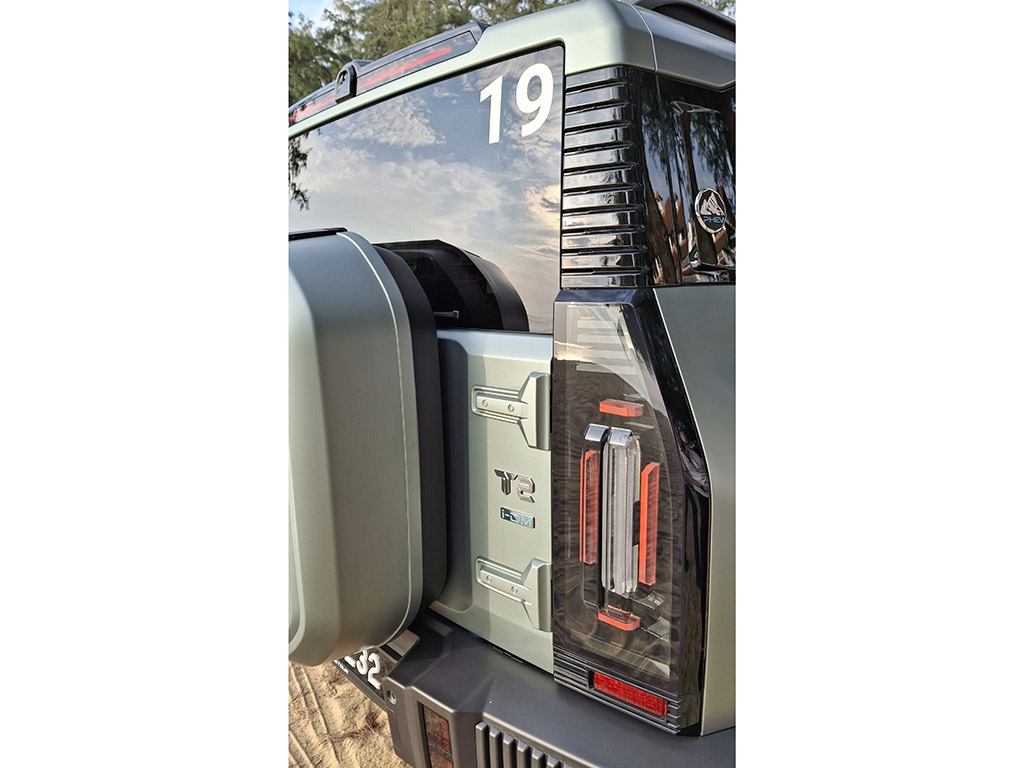
If you park the T2 alongside the T1, it was hard to tell the difference between them as they are quite similar dimensionally. The T1 has the same 2800mm wheelbase but was slightly shorter in body length at 4705mm probably because the T2 has the spare wheel located on the swing type door for the luggage area. It is also narrower at 1967mm and shorter at 1840mm.
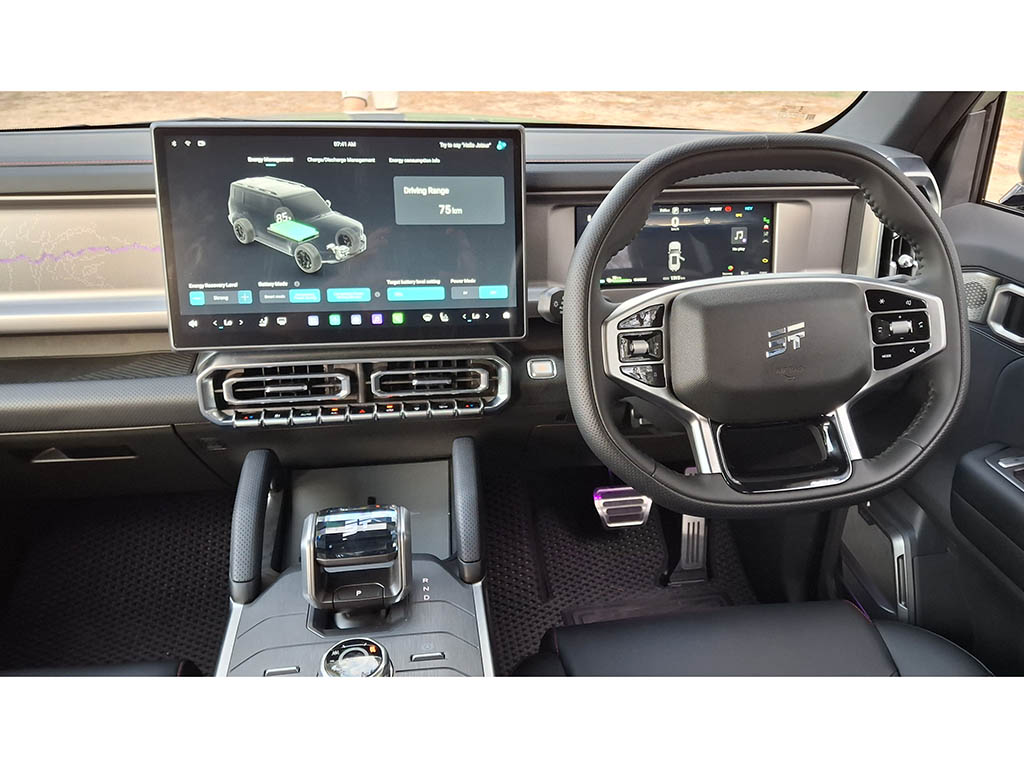
Stepping inside the T2 PHEV, the dashboard layout is also somewhat similar with a large centre multi-info display and sizeable driver’s instrument panel. We were right about the 10.3-inch driver’s instrument panel but the 15.6-inch centre display was the same as that in the T1 2.0-litre model. The T1 1.5-litre model we drove from KL to Kemaman had a smaller 12.8-inch unit.
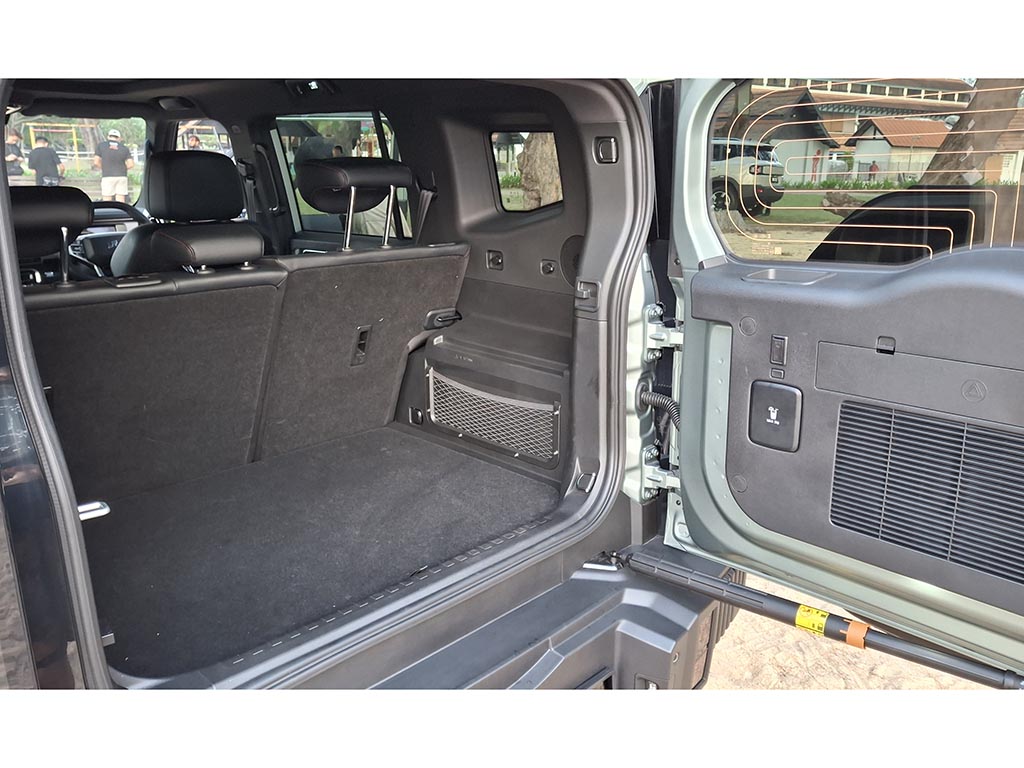
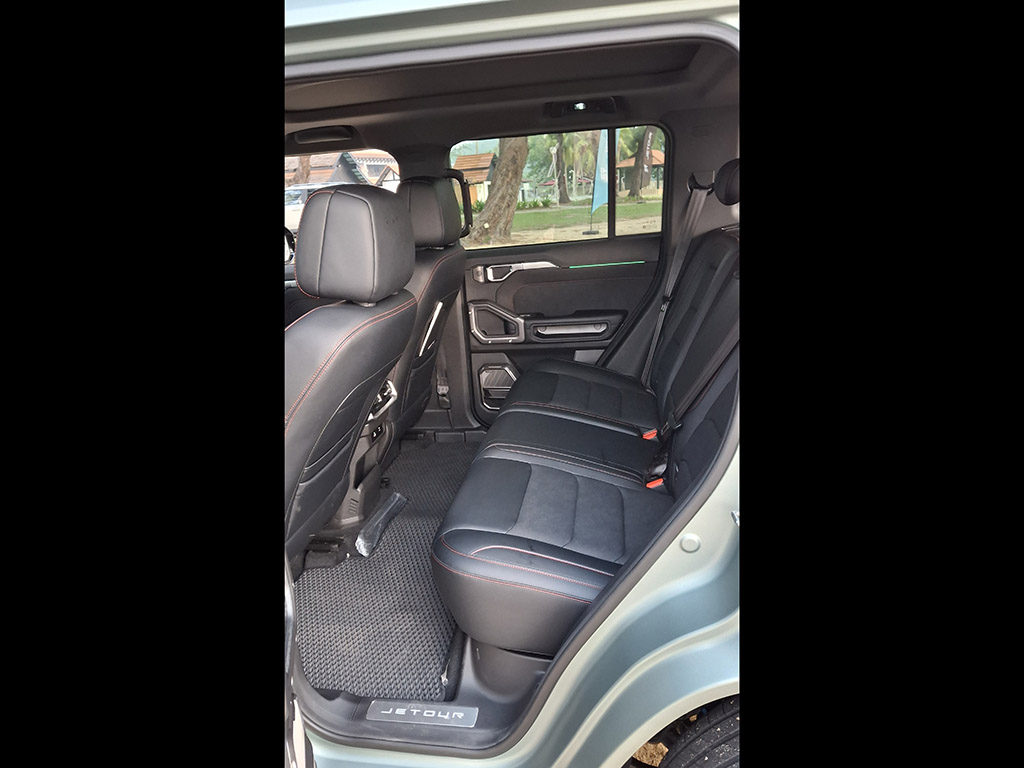
Being a plug-in hybrid vehicle, the T2 PHEV was definitely heavier at more than 2000kg in kerb weight due to the battery located underneath the rear seat area. That is why it has the spare wheel located on the luggage area swing door against the upward opening tailgate of the T1. The luggage space looked similar when we loaded our travel bags but there is more space in the T2 with 580 litres (60:40 split seatrests up) and 1494 litres with the seatrests down – the T1’s luggage space is 574 litres and 1455 litres respectively.
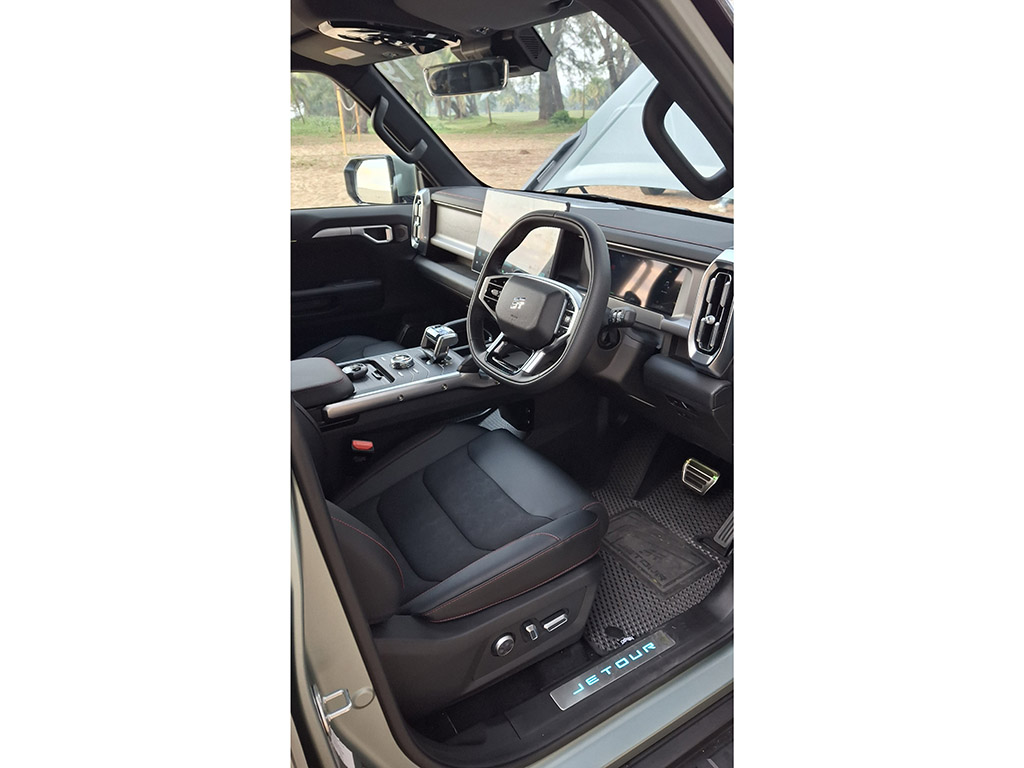
Inside, the leatherette upholstered seats give it a premium touch. The driver and front passenger get to enjoy a memory function for their electronically adjustable seat. The centre console layout is similar to that in the T1 with an unusual illuminated crystal shift knob that also accommodates the park button for the electronic parking system. Just aft of it is the button for selecting the drive modes – eight of them – to tackle the respective terrain.
We liked the panoramic view monitoring system when parking or manoeuvring in tight areas. Another likeable feature was that the driver’s door mirror would automatically tilt lower when reverse gear is engaged. That allowed us to gauge our parking space better. The ADAS (advanced driver assistant system) was of a Level 2 standard that comprises a wide range of active and passive safety systems.
A 50W wireless charger is standard fare and being a premium model, it has a 12-speaker Sony sound system (the T1 2.0 only has a nine-speaker Sony system). With that, we got to enjoy some great music during the drive due to the quiet running of the T2 PHEV. There is also the panoramic sunroof that we didn’t use as the harsh overhead sun wasn’t an encouraging factor.
Other standard details include the electric suction luggage door for a tighter closing, a tyre pressure monitoring system on the driver’s instrument panel, front ventilated seats, auto dimming rear wheel mirror, welcome light from the door mirrors, among them. The imported T2 PHEV is RM12,000 more than the non-hybrid T2 variant at RM168,888, which we presume to mean on the road without insurance. That is an attractive price for what it has to offer in comfortable driving performance and great range/mileage.