since 1976

since 1976
By Lee Pang Seng
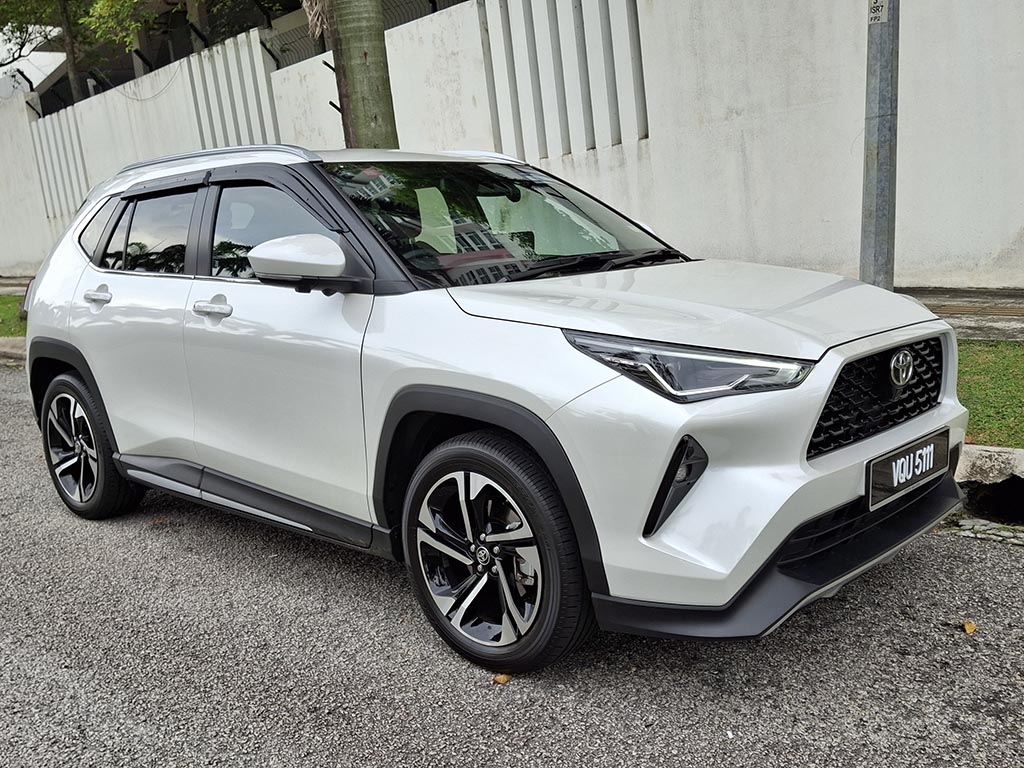
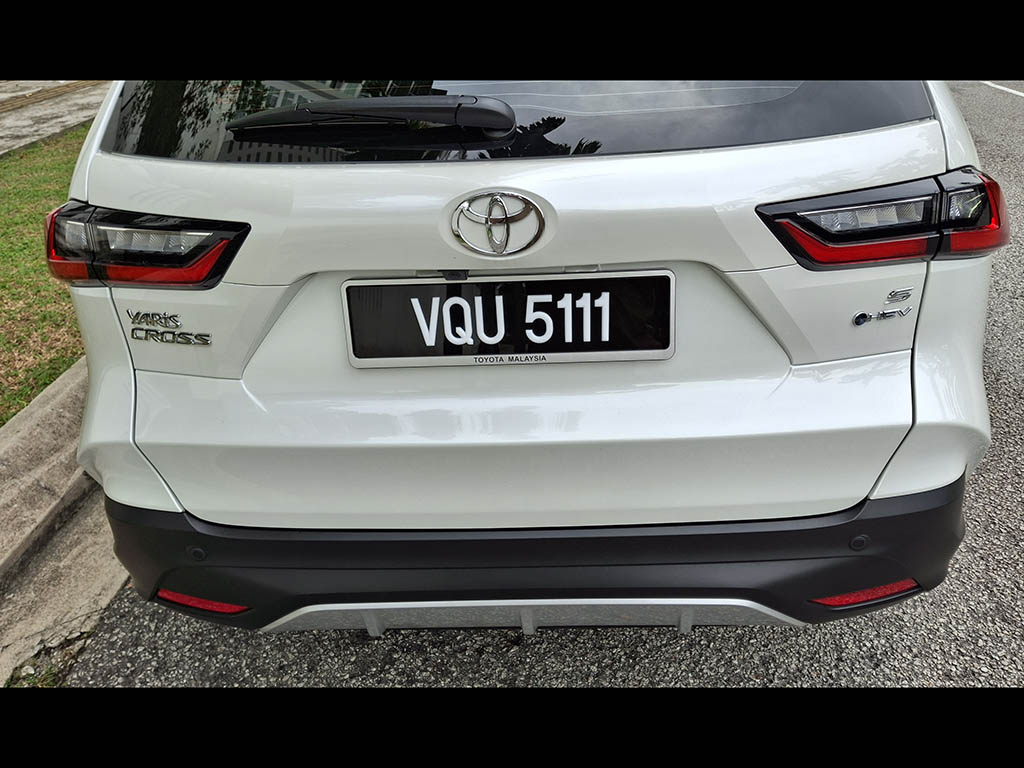
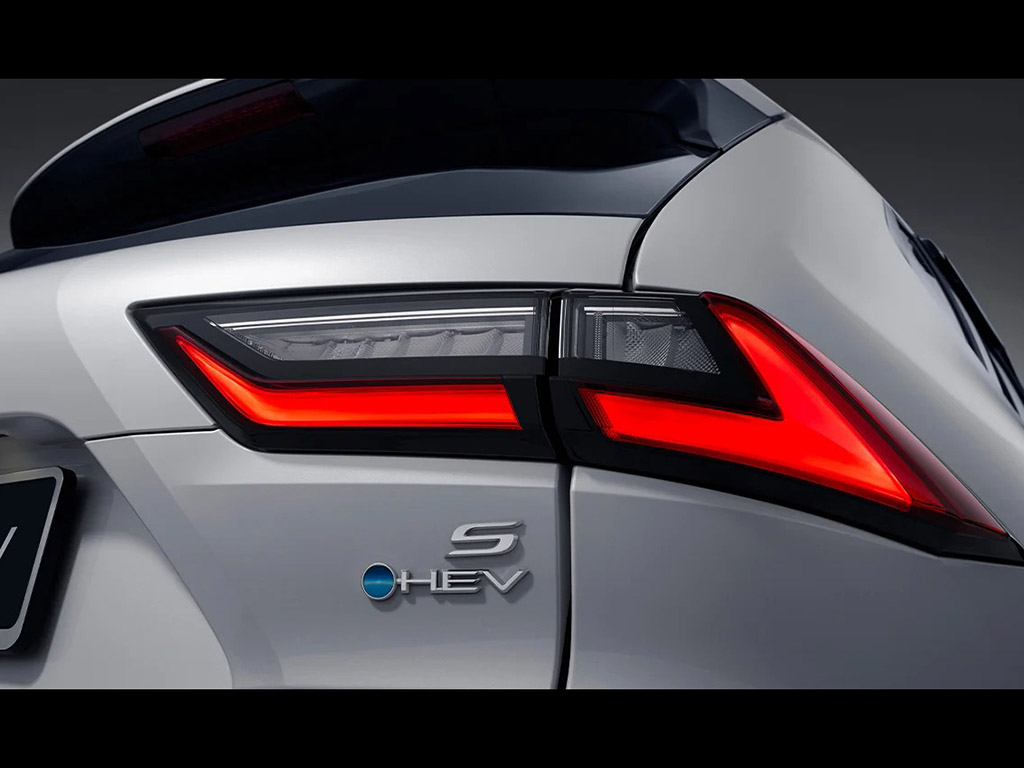
UMW Toyota Motor’s strategy of providing a hybrid option with its latest Yaris Cross model should appeal to those in the market for a B-segment SUV (sports utility vehicle) that would stretch the petrol ringgit. The use of electricity for motoring in urban traffic makes a big difference in achieving minimal fuel use.
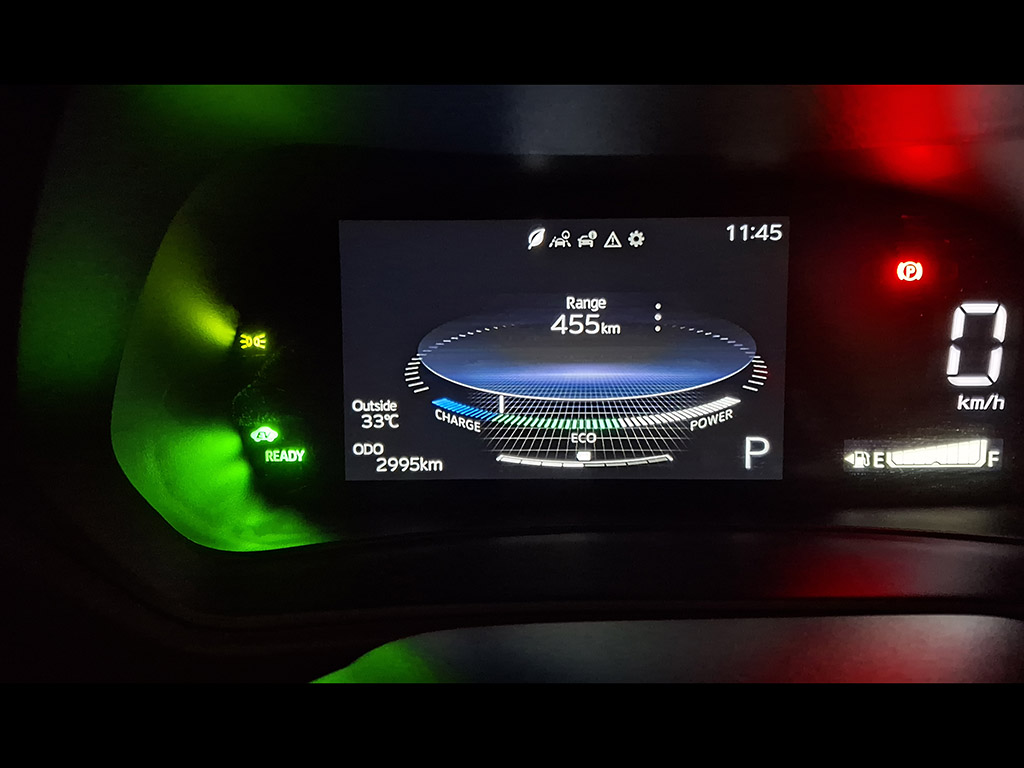
We could draw on that conclusion after three days with the Yaris Cross HEV (hybrid electric vehicle), covering almost 150 kilometres of mostly urban driving, and seeing the fuel tank level just a smidgen below when returning it. The range available correctly indicated the distance covered but the minimal drop in fuel level clearly reflected the advantage of using a hybrid vehicle.
If we had not driven the Yaris Cross HEV with a fairly heavy foot when returning the SUV to UMW Toyota Motor in Shah Alam, the fuel level would have remained unchanged, with full bars as was the case when we took it. This was better than the Toyota Harrier HEV, which has a bigger displacement engine, that we took earlier.
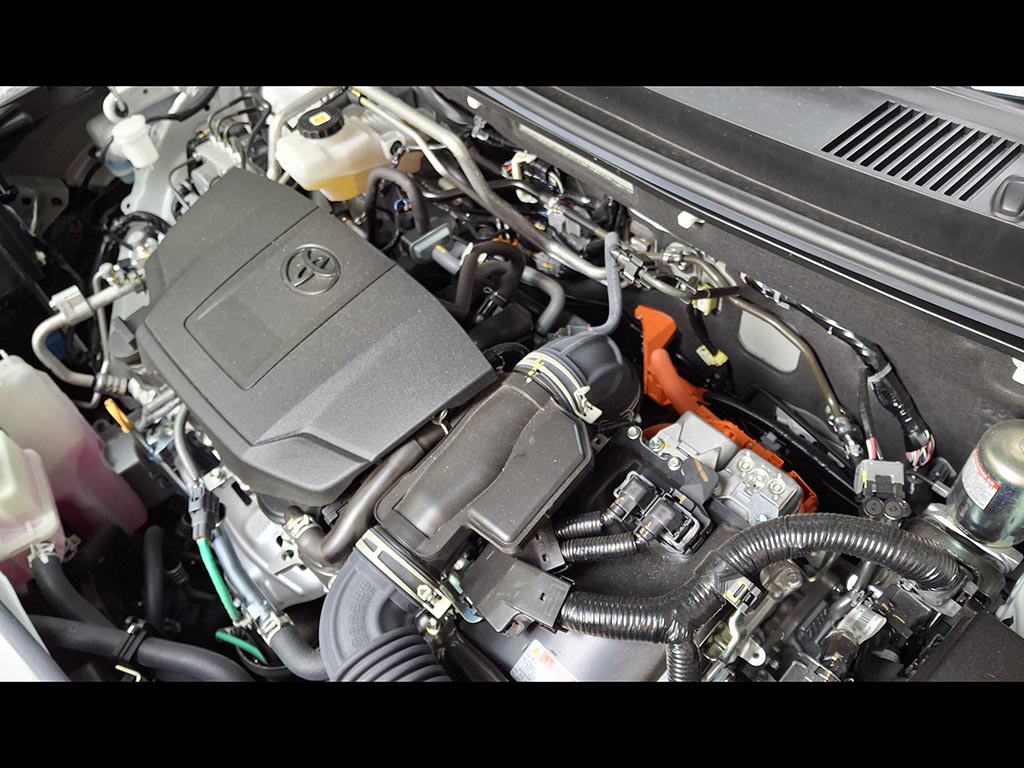
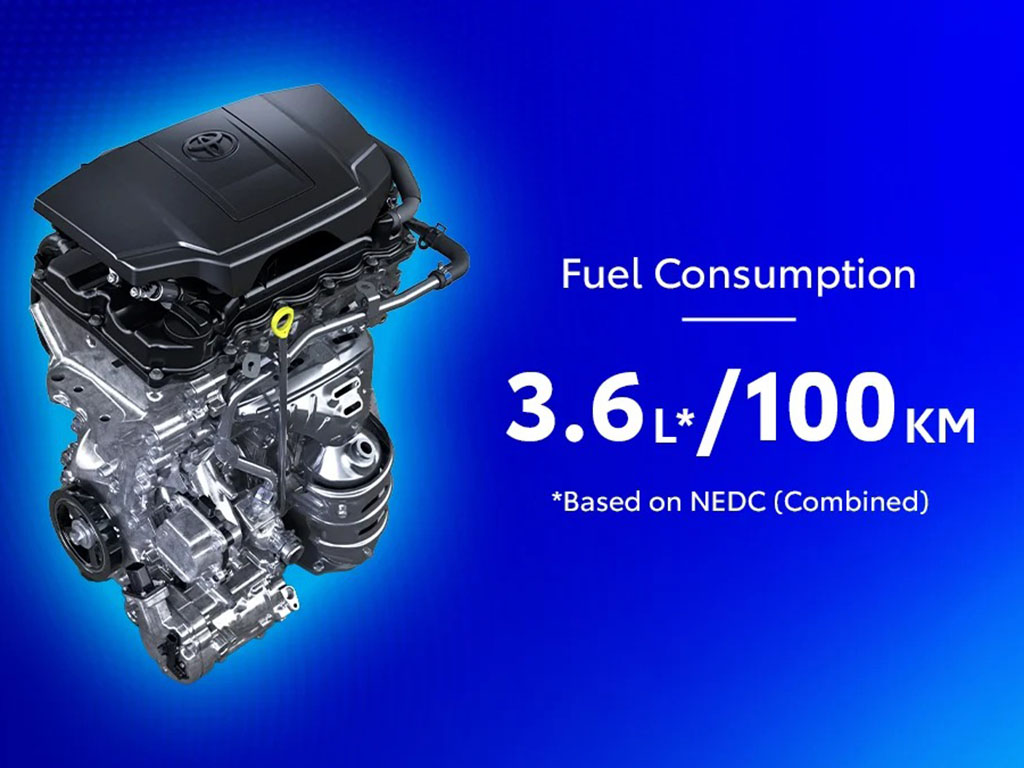
The engine in the fourth-generation hybrid electric system is a much smaller unit against the Harrier 2.5 HEV, being a 1.5-litre (1496cc) engine with a long stroke of 90.6mm and 72.5mm bore (an undersquare configuration). While these details seem similar to the non-hybrid engine in the Yaris Cross 1.5S, the HEV engine is an Atkinson Cycle unit with lower output.
The HEV engine is rated at 67kW (91ps) at 5500rpm and 121Nm torque at 4000 to 4800rpm while the non-hybrid engine delivers 68kW (106ps) at 6000rpm and 138Nm at 4200rpm. As a hybrid, the HEV engine is electrically assisted by an electric motor that is rated at 59kW (80ps) and 141Nm. The combined output is given as 82kW (111ps).
It also has a simpler e-CVT (electronic continuously variable transmission) channelling output to the front wheels. And because of its more fuel frugal ways, the Yaris Cross HEV comes with a smaller 36-litre fuel tank against the 1.5S 42-litre unit. Toyota did not provide any data on acceleration performance but says it has an average fuel consumption of between 27.8km/l and 22.3km/l (NEDC – New European Driving Cycle – and Toyota factory tests), which is very good.
Our approach to gauging the ownership benefits of the Yaris Cross HEV is its driveability in urban centres. Like a BEV (battery electric vehicle), this is where it would gain good fuel range as electrical assistance is often used to get moving. It is also in urban driving that the 48-cell lithium-ion battery (764.7wH) feeding power to the electric motor is regularly recharged during deceleration and braking.
During stop-start city driving, the Atkinson Cycle engine is also activated to charge the battery. However, the Atkinson Cycle engine in the Yaris Cross HEV was somewhat noisier than we had expected. It could be because the quiet running on electric power was punctuated by the engine but we didn’t come across such an intrusive experience in cars from a rival brand.
We are not quite sure if this has to do with less than sufficient noise suppression material for the firewall insulation (the part between the engine and passenger compartment). At the same time, we couldn’t recall a similar scenario from the older Yaris Cross HEV that our daughter drives in Wales, UK.
This noisy engine intrusion was also noted each time we hit the pedal to pick up speed for overtaking slower vehicles. It is generally accepted that engines with CVT, electrically assisted or otherwise, tend to make a low growl on initial acceleration as it has to rev harder to get going. But, the noisy affair in the Yaris Cross HEV was something else.
In a way, this louder than expected engine note discouraged us from driving the Yaris Cross HEV any harder than necessary although we still couldn’t escape this somewhat harsh engine intrusion during city crawl driving. It’s like a generator being started to provide electricity. That is about the only rough note with this Toyota B-segment hybrid SUV.
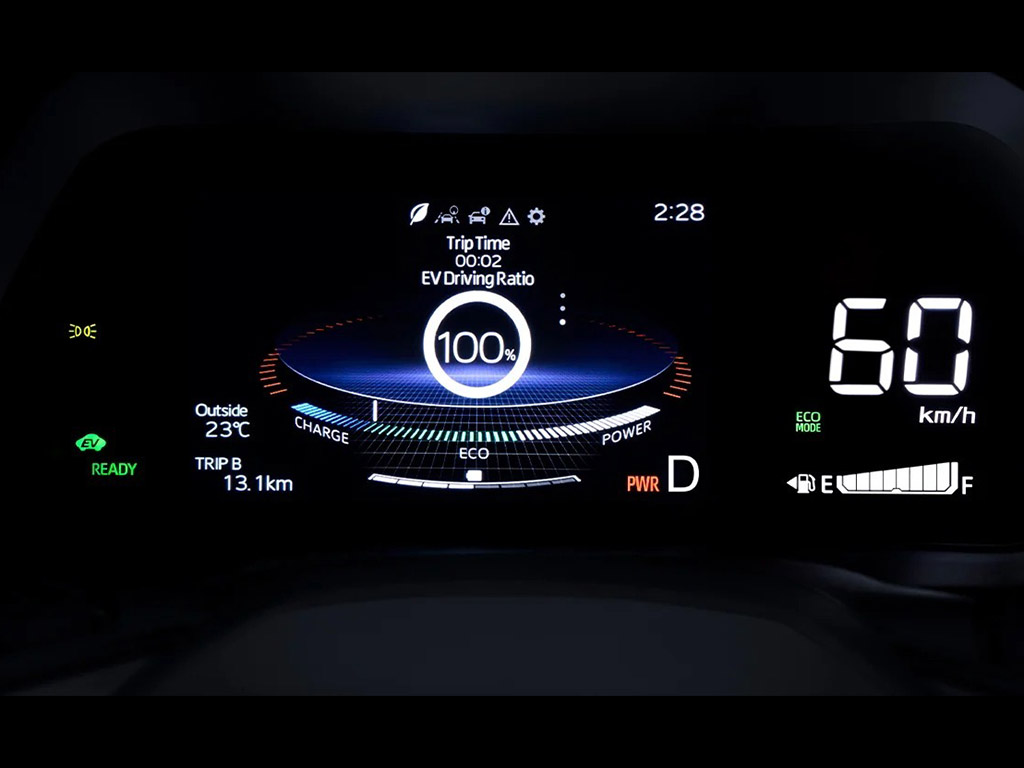
An interesting note was that during the fast-driving spell on the way to Shah Alam, the engine appeared to be charging the battery on the go. We couldn’t achieve more than half the battery capacity during city drives (as indicated on the driver’s instrument panel), managing half at best, while we exceeded that level when returning it at a quick gallop.
The power flow guide in the instrument panel is a lot simpler than that in the Harrier HEV. The EV green light came on when the Yaris Cross HEV had enough electric power to accelerate. The good thing about hybrid vehicles is that each time you start it, it is in EV mode. There is no tachometer to indicate that the engine is running but you know the vehicle is operational as the instrument panel and centre info display lights up and the air-conditioning system is activated. It is a quiet start that you get used to soon enough.
Similarly, when you come to a stop at the traffic lights, the vehicle reverts to EV mode. Regenerating the battery when braking helps juice up the unit and you often take off on electrical power. How far you could go depends on how much the battery is recharged. As the latter occurs frequently in city driving, you are moving on electric power most of the time, saving considerably on fuel consumption.
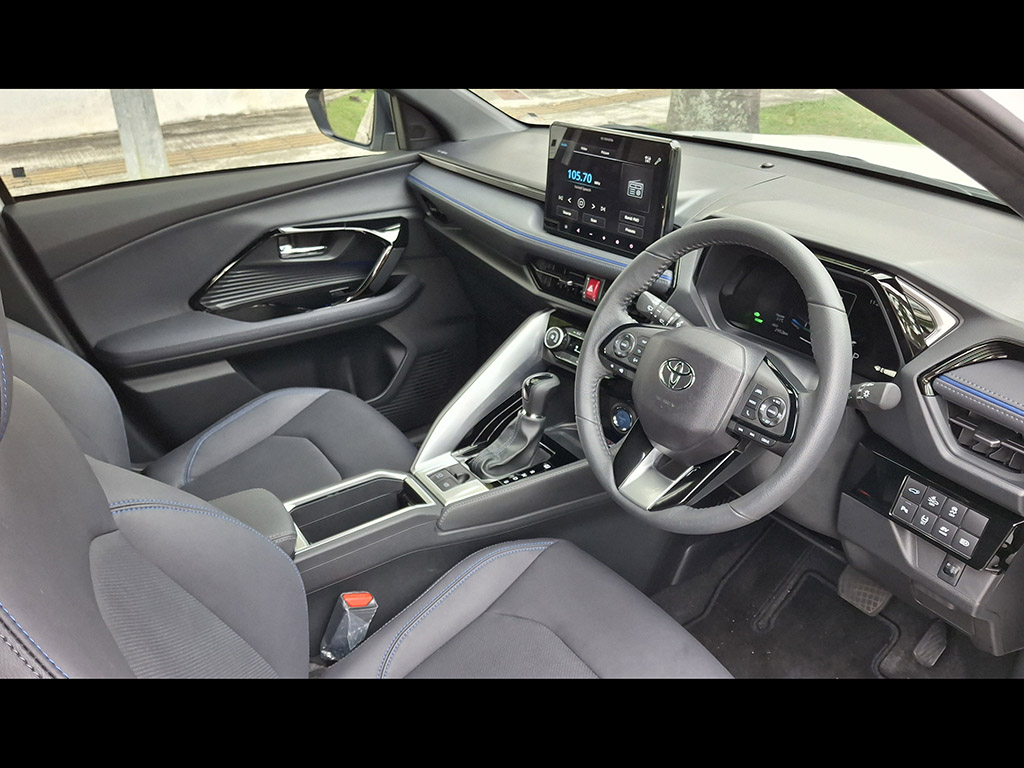
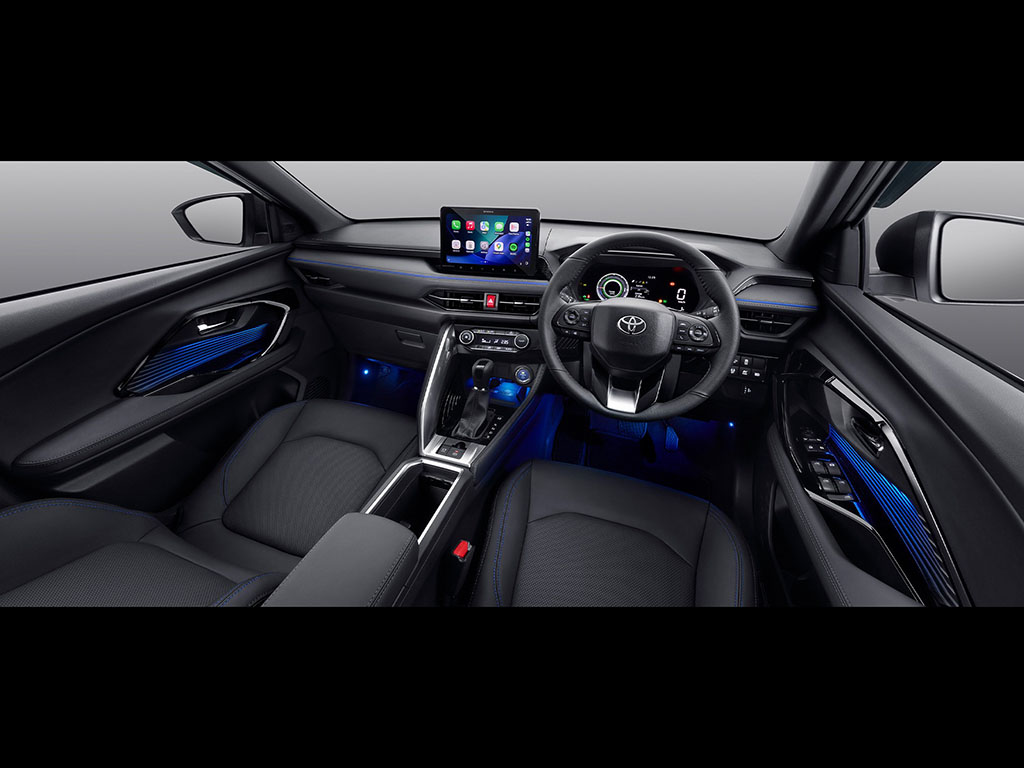
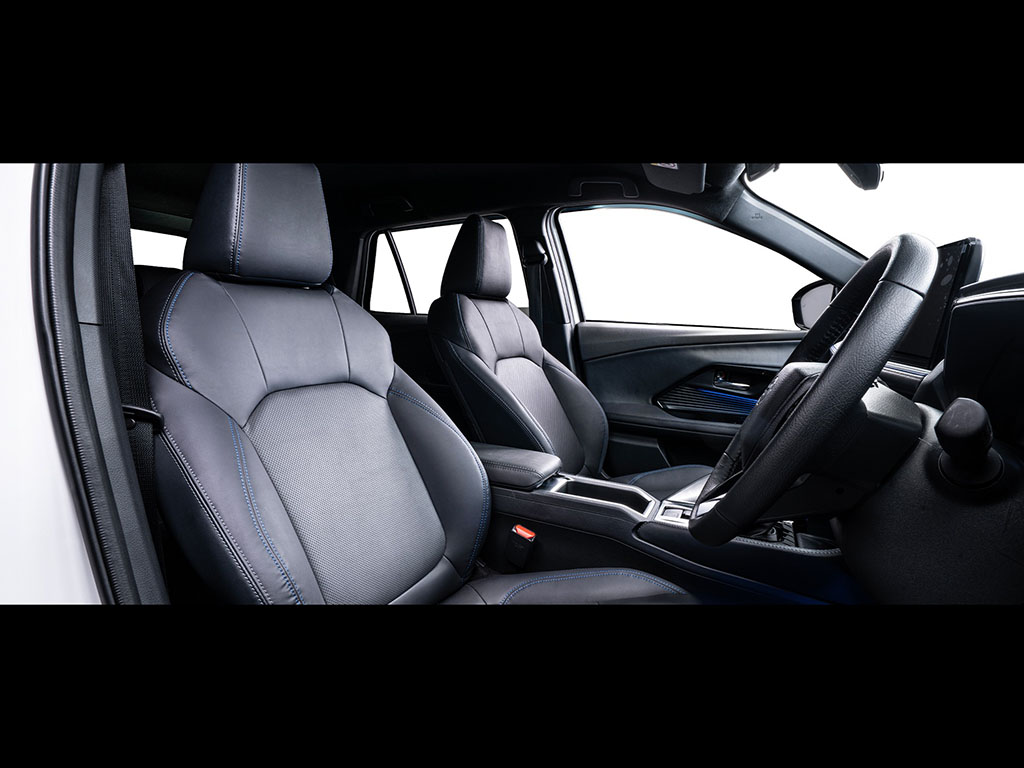
Audible note aside, the Yaris Cross HEV scores well in most areas. From a driver’s perspective, it lives up to its on-the-road price of RM109,900 without insurance. For a start, it has the approach door unlocking system (that means the vehicle electronic system unlocks all doors as you walk towards it with the keyfob) and there is a welcome light from the door mirrors. Getting inside, we could select the most comfortable driving position electronically (it’s a manual affair for the front passenger).
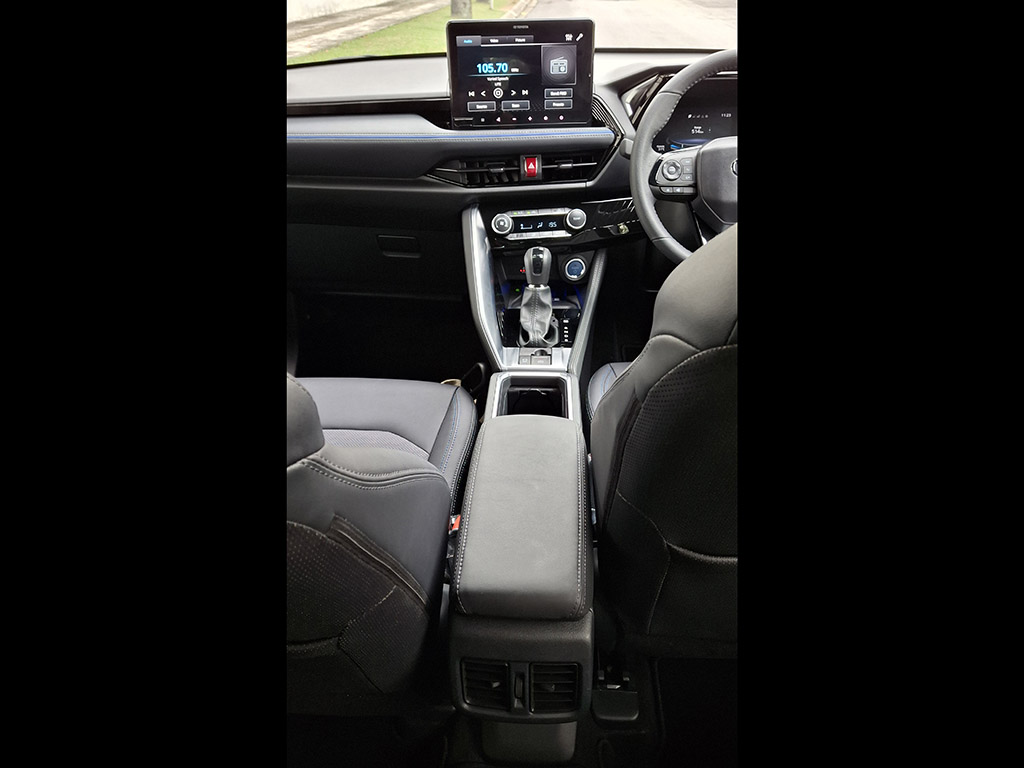
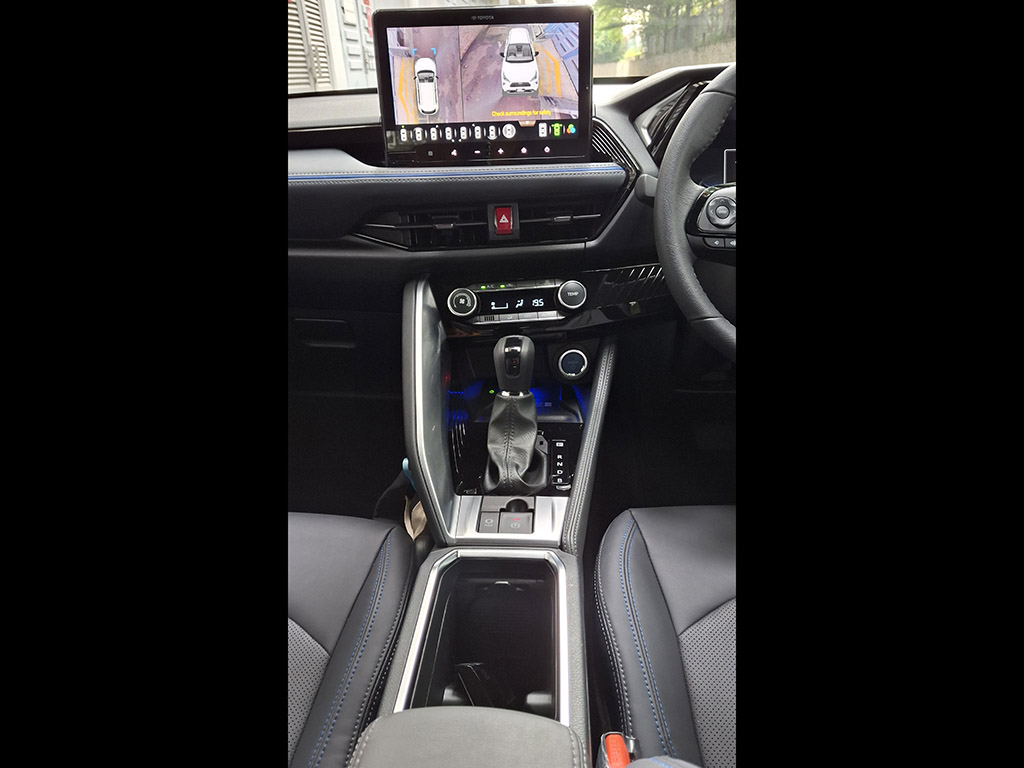
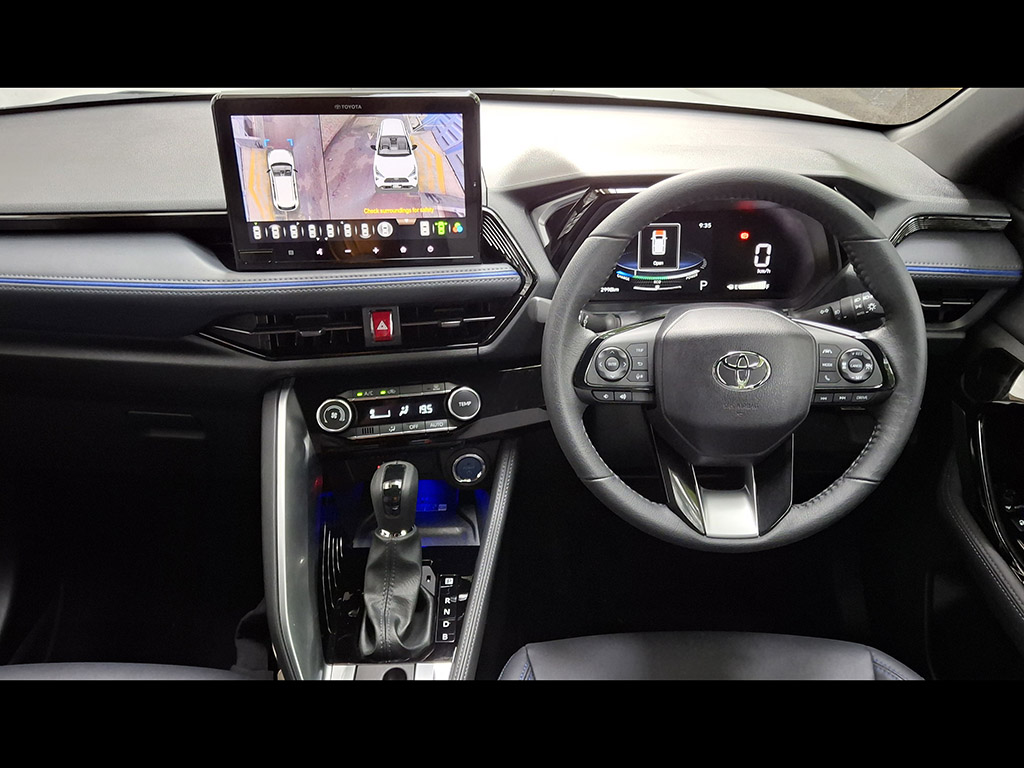
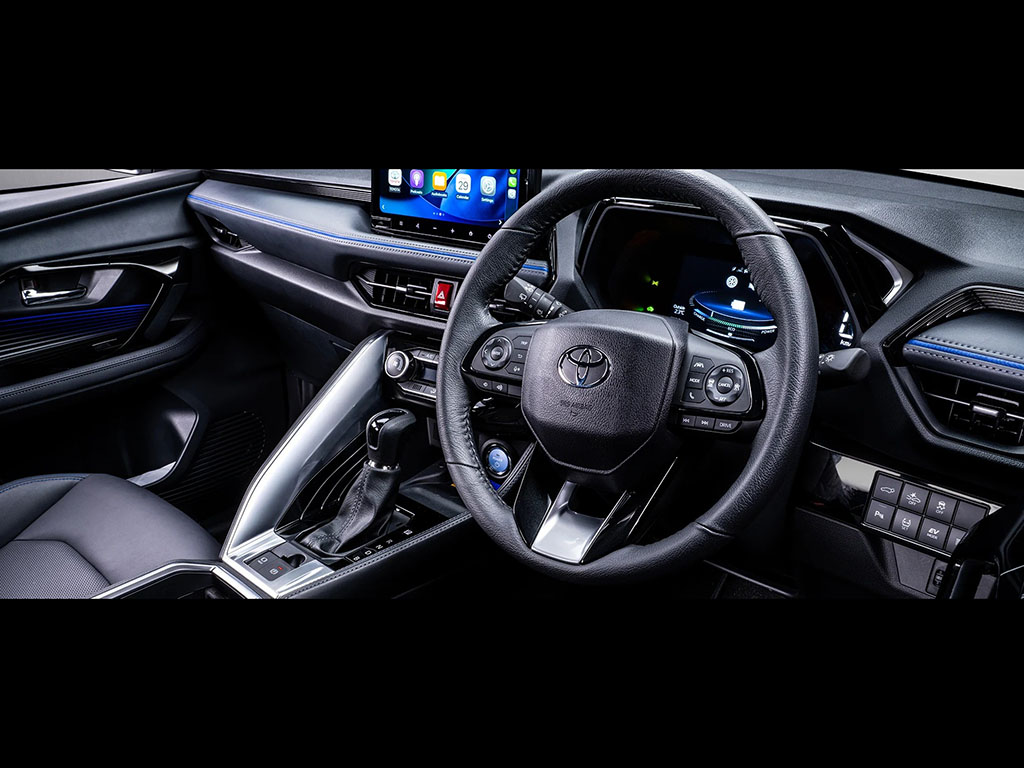
The 7-inch LCD (liquid crystal display) instrument is easy on the eye and all the information we need could be gleaned at a glance; the road speed is presented in a digital format. To the centre part of the dashboard is the 10.1-inch capacitive touchscreen for the multi-info display panel that didn’t need much guesswork to access the respective function.
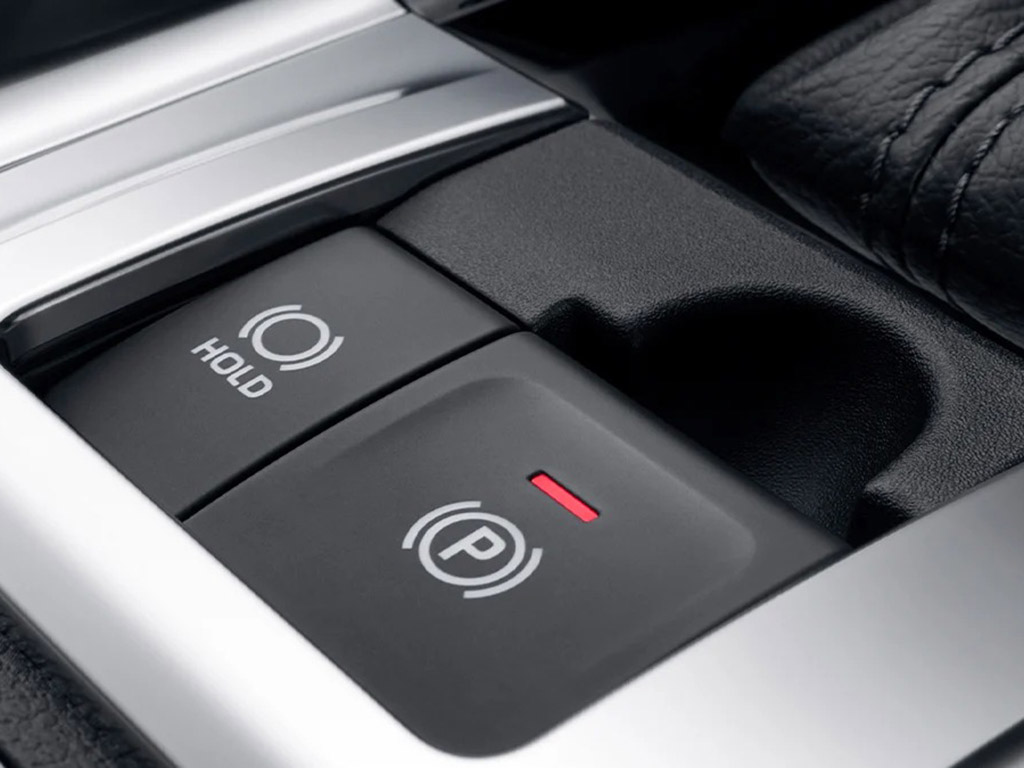
As is the norm in some passenger vehicles, the ventilation controls are manually accessed via pushbutton controls and rotary knobs clustered in a dedicated panel just below the centre dashboard air vents. The stop-start button is located just below that panel, similar to that in the Harrier. The leather wrapped gearshift lever is on the central console in front of the two deep cupholders and a lidded compartment that doubles as an armrest.
Adjustments for the steering column are manually done for height and reach and there are no steering wheel paddle shifts that are standard in the non-hybrid 1.5S. The driver’s power window has jam protection and it goes one up over the 1.5S by having a wireless handphone charger as standard item (optional for the 1.5S).
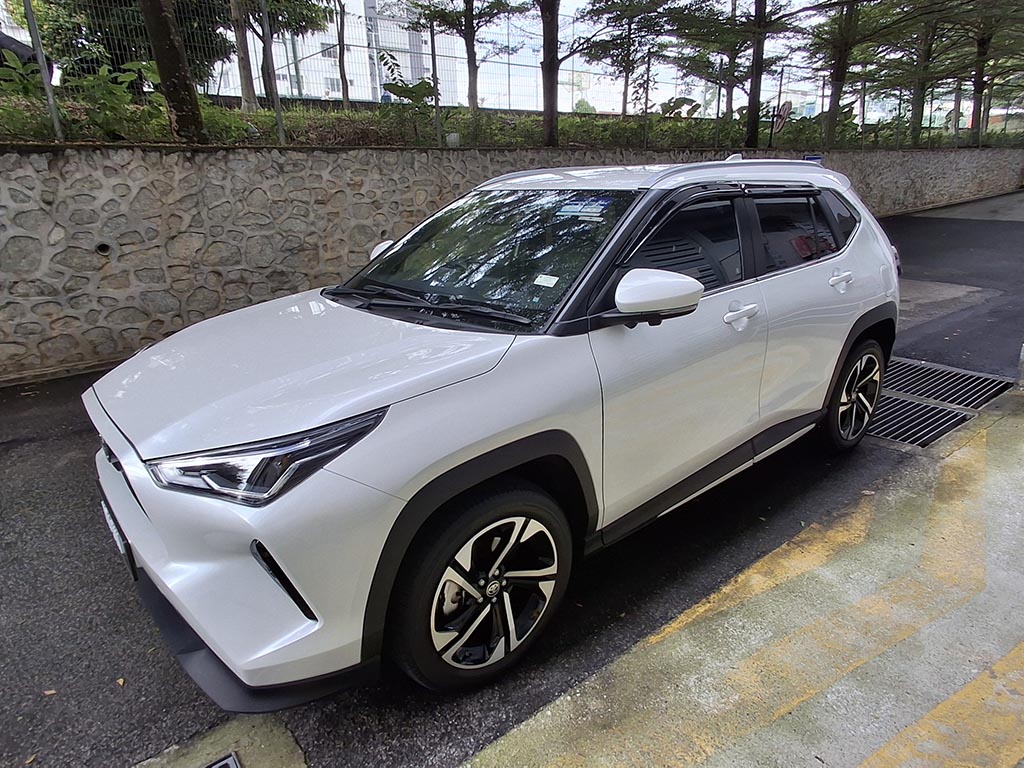
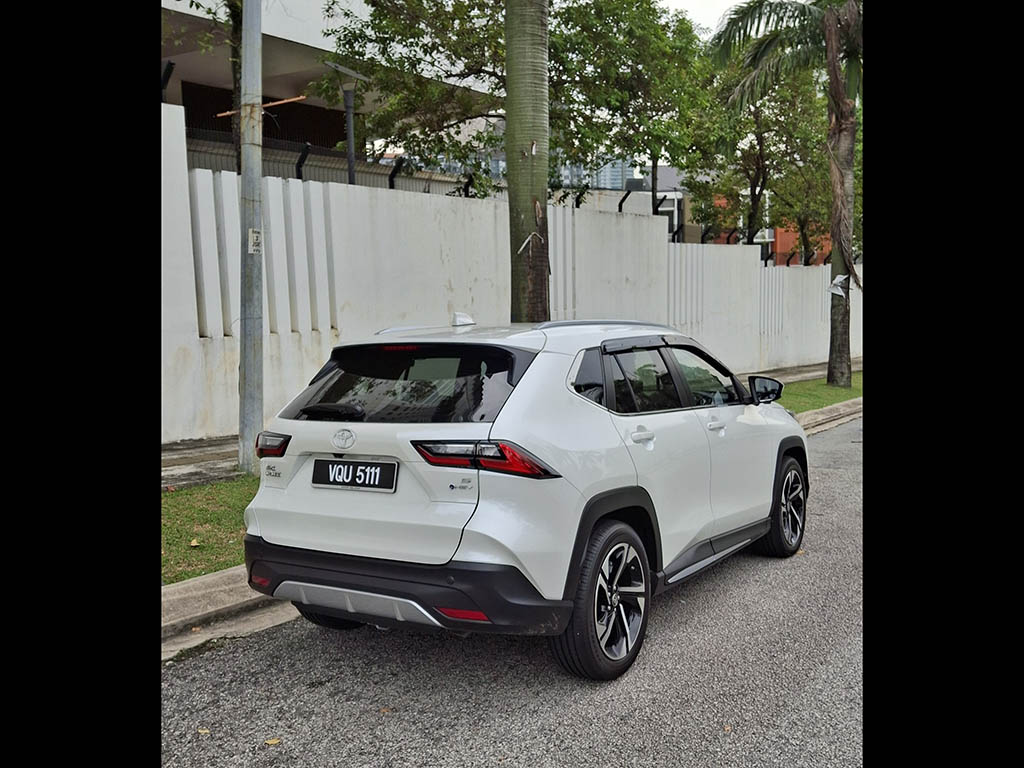
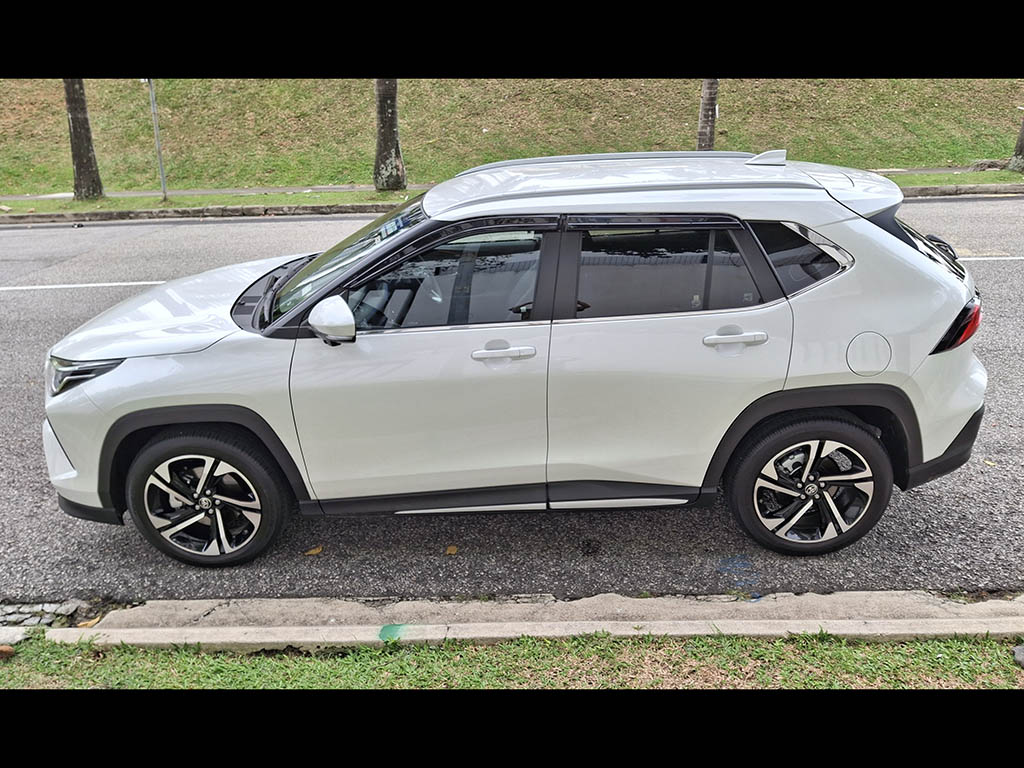
Being a B-segment SUV, it is relatively compact in body dimensions. The wheelbase is pretty good at 2620mm while body length is 4310mm, width is 1770mm (not counting the door mirrors) and height is 1655mm. Having a lithium-ion battery means a higher kerb weight over the 1.5S at 1245kg, almost 100kg more.
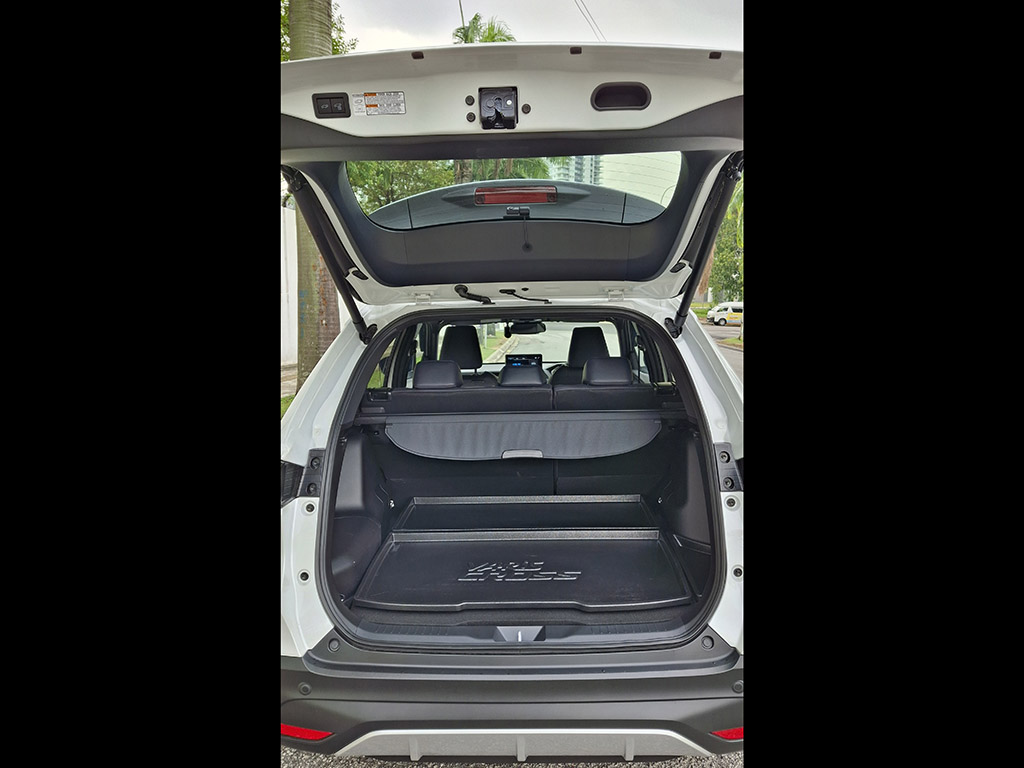
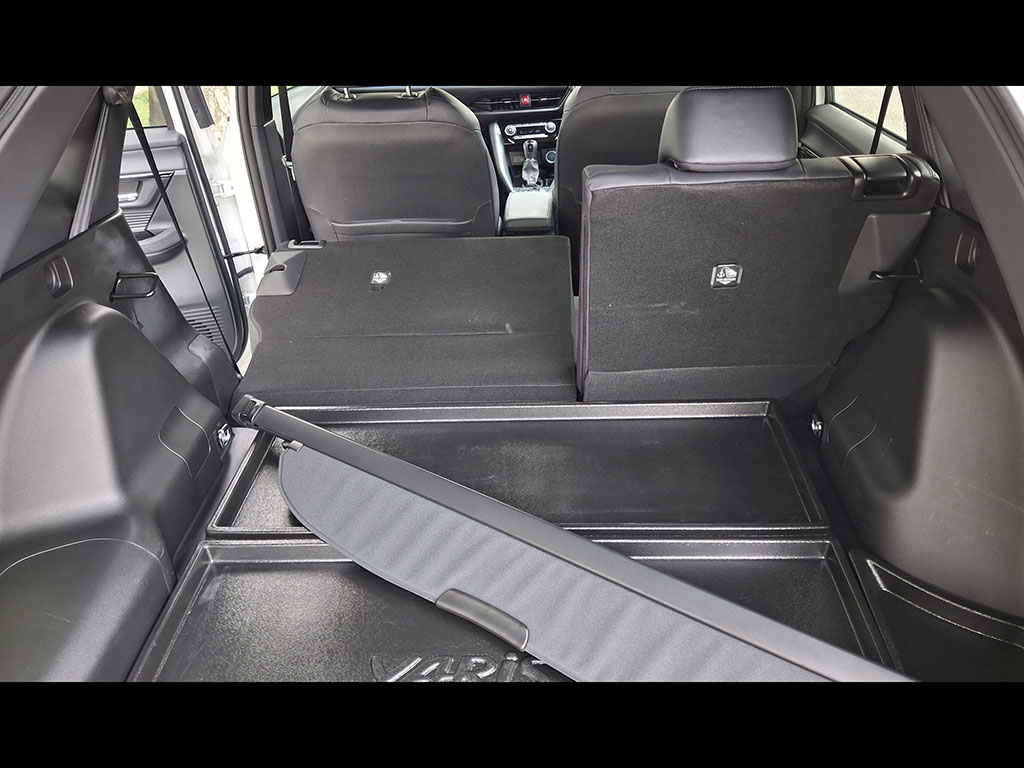
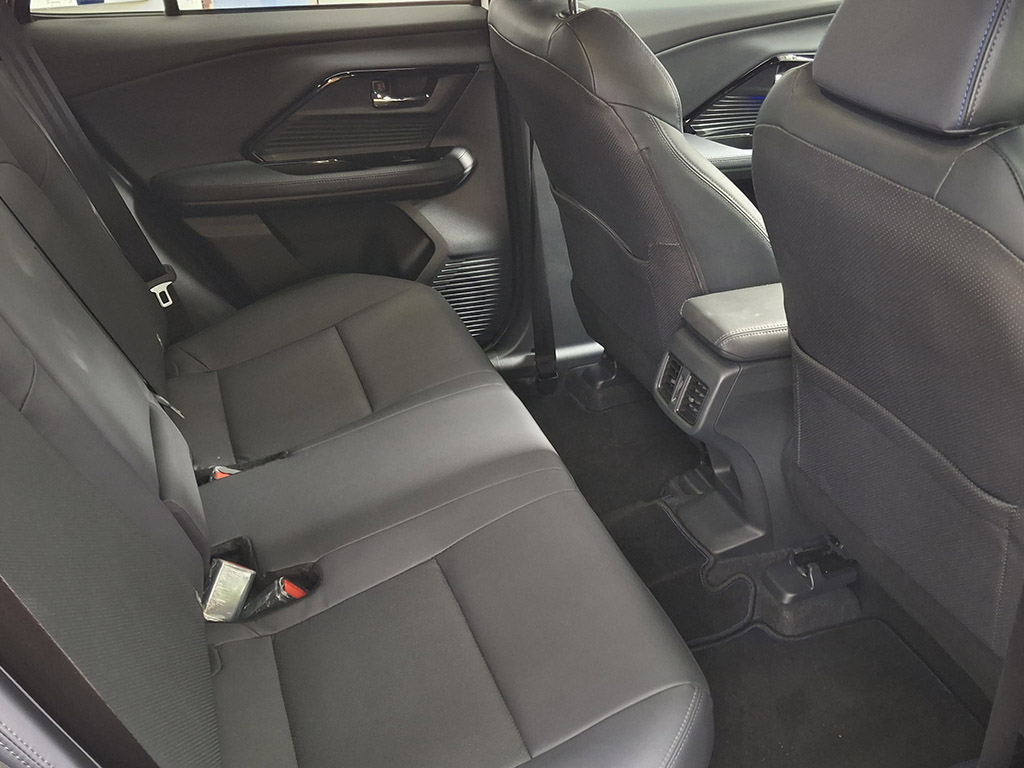
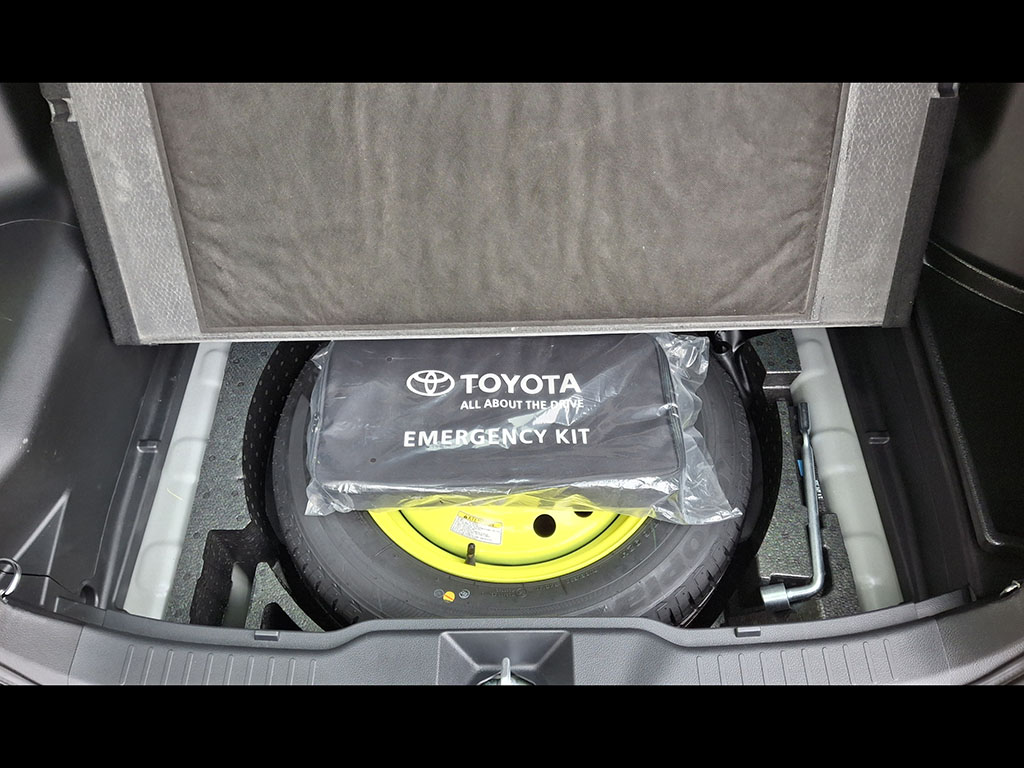
While it might look compact, interior space is reasonably roomy for a vehicle of its class. There is enough legroom for rear passengers to enjoy long distance travel in fair comfort. Likewise, the luggage area is ample with 465 litres of space, a little less over the 1.5S although the fairly large battery is located beneath the rear seats. However, more space is available by lowering the 60:40 split rear seatrests. A space saver steel wheel with 195/65 R16 tyre is provided as a spare.
Being a compact SUV, it’s highly manoeuvrable in tight areas, helped by its small turning circle of 10.4 metres. And you have the 3D (three dimensional) Panoramic View Monitor with images on the centre info display to guide you when parking or moving in tight areas.
On the highway, the busy engine was not as apparent although we have come across quieter running with rival brands using the Atkinson Cycle engine. It is probably an electrically operated charging function that we might have activated that contributed to this higher engine note. If that is the case, there should be a clear message displayed somewhere on the driver’s instrument panel to indicate that. We didn’t note any visual indicator of that sort.
We like the Yaris Cross HEV handling manners through sweepers and winding stretches. With the limited time and a full personal schedule, we couldn’t gauge its handling limits through our favourite corners and sweepers. We did, however, drive the Yaris Cross HEV along fresh winding stretches at good speeds.
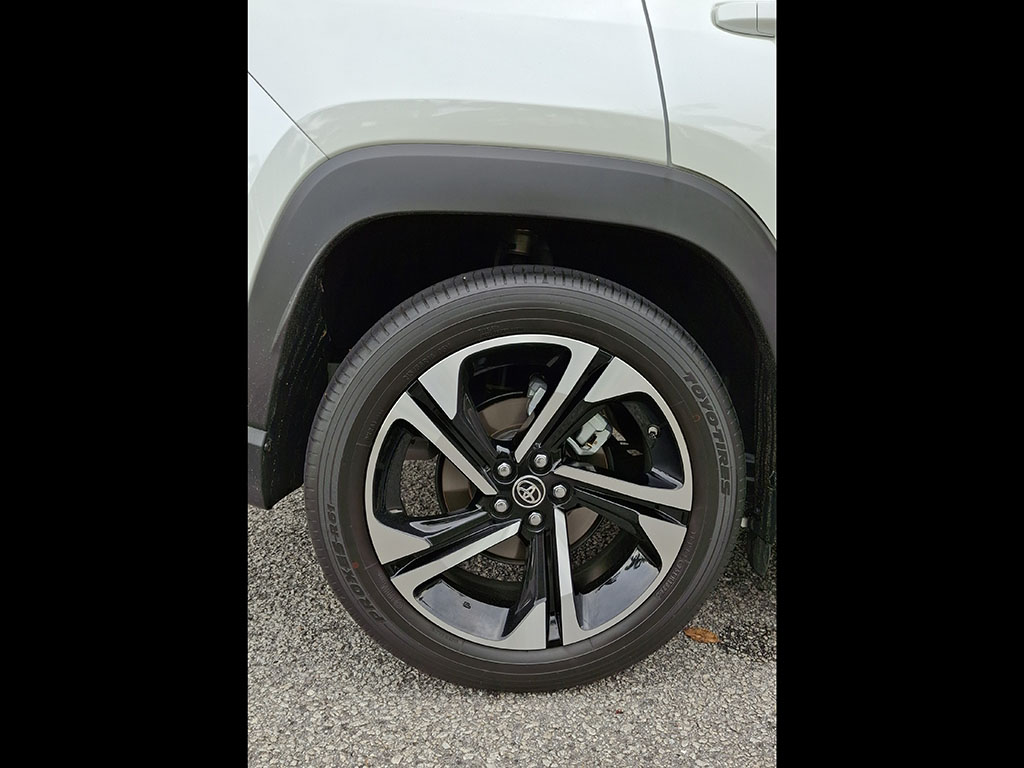
The Yaris Cross HEV is independently sprung all round with a MacPherson strut front and Torsion beam rear, and anti-roll bars front and rear; similar to that in the Corolla Cross. The tyres are 215/55 R18 Toyo Proxes R61 that provided good road grip to boost our confidence in taking the Yaris Cross at a quick canter through winding roads. The anti-roll bars also did their job well in minimising body lean when taking corners.
The suspension-tyre combination worked well in providing decent ride comfort too. For the varied terrain that we covered daily, road impacts over the various surfaces were well dampened for an SUV of its category. The tyres were generally noisier running over the rumble strips but it was tolerable.
Few would have a bone to pick with what the Yaris Cross HEV has to offer and the good fuel range that is achieved with electrically assisted acceleration in urban driving would certainly be its strong point. And having a quieter running engine would definitely add positively to its overall impression.